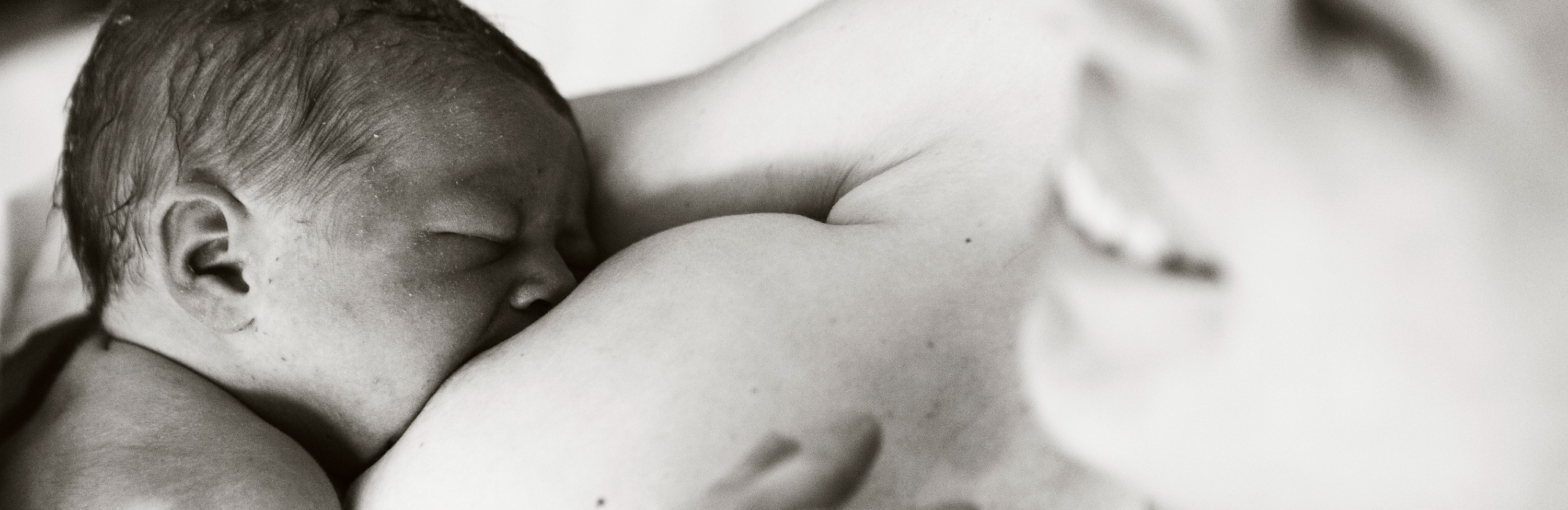
Support of neurohormonal synchrony between a mother and her baby remains a health system frontier
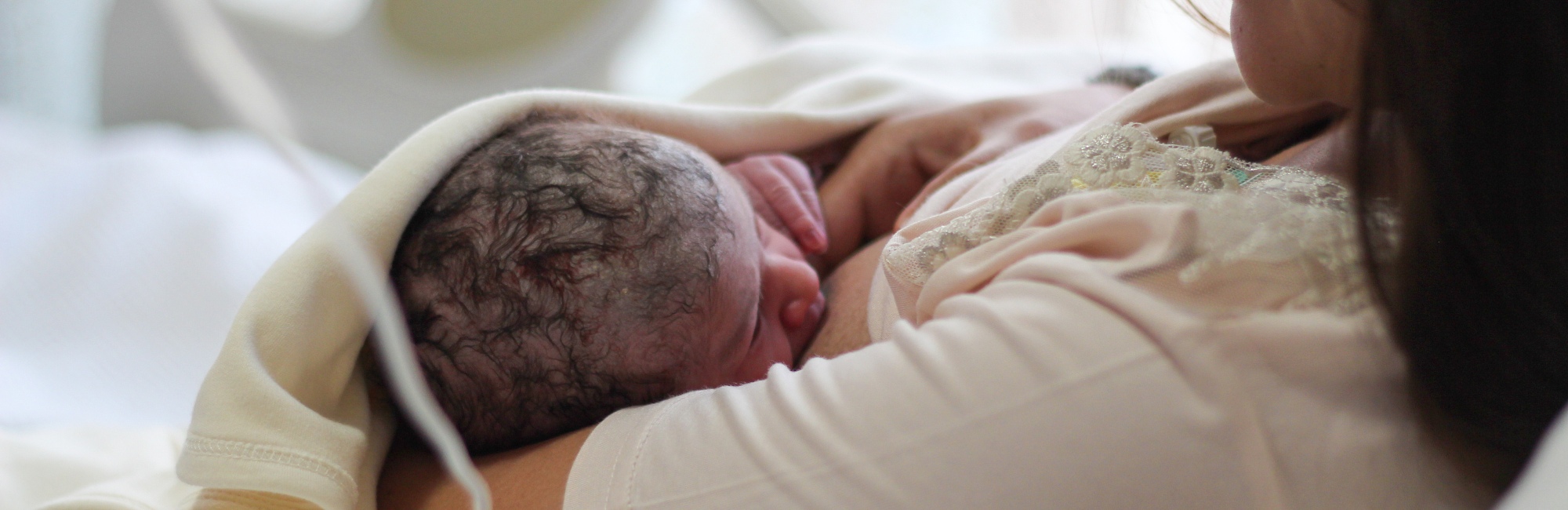
Significant blind spots remain in clinical breastfeeding and lactation support
Our health system (that is, the culture of care including knowledge and technology which surrounds a birthing woman in our societies) protects mothers and babies from death, injury, and the effects of disease far better than at any other time in human history.
In Australia, where I live, our health care system ranks first amongst OECD (Organisation for Economic Co-operation and Development) countries for equity and healthcare outcomes, and holds third place for overall healthcare performance. Most (though not all) of our mothers and babies have access to affordable, largely government funded, high quality health care. This is a human right denied to many women and their babies globally, and so it's important to keep critiques about mother-baby health care in perspective.
Nevertheless, there are serious clinical blind spots in the Australian health care system concerning breastfeeding and lactation support. These blind spots are also found in health systems around the world. Despite the exponential growth in numbers of International Board Certified Lactation Consultants and breastfeeding medicine physicians in my life-time, despite well-funded, freely available maternal and child health services, and despite an active, government funded Australian Breastfeeding Association, breastfeeding rates in my country have not improved and at best, remain stable.
We are still at the end of what has been a century-long revolution in the care of mothers and babies. Our health system accepts the Developmental Origins of Disease and pays lip service to the importance of the first 1000 days post-conception, but fails to prioritise translating this into effective clinical interventions for the problems parents most commonly seek help for after the birth of their baby: breastfeeding problems and unsettled infant behaviour.
Supporting neurohormonal synchrony between a mother and her baby
Health systems in advanced economies don't protect the neurohormonal synchrony between a mother and baby anywhere near as well as we could. Doctors have had a tendency to see this as the 'soft' and less important end of health care, since your and your baby's safety are a hard priority. But neurohormonal synchrony between a mother and baby, or parent and baby, matters.
Breastfeeding is a form of biological getting in sync. When breastfeeding works, it acts to regulate a range of neurhormonal systems in the complex adaptive system of mother and baby: temperature, nutrition and blood glucose, sleep, sensory motor development, and psychological attachment. Our health system's failure to effectively protect neurohormonal synchrony between mother and baby contributes to the high rates of depression and anxiety experienced by parents in the postnatal period.
Selected references
Australia ranks high in global health systems, RACGP 2024
Guillen-Morales DdJ, Cruz-Cortes I, Sosa-Velazco TA, Aquino-Dominguez AS. The mother-infant symbiosis: a novel perspective on the newborn's role in protecting maternal breast health. Hygiene. 2025;5(46):https://doi.org/10.3390/hygiene5040046.