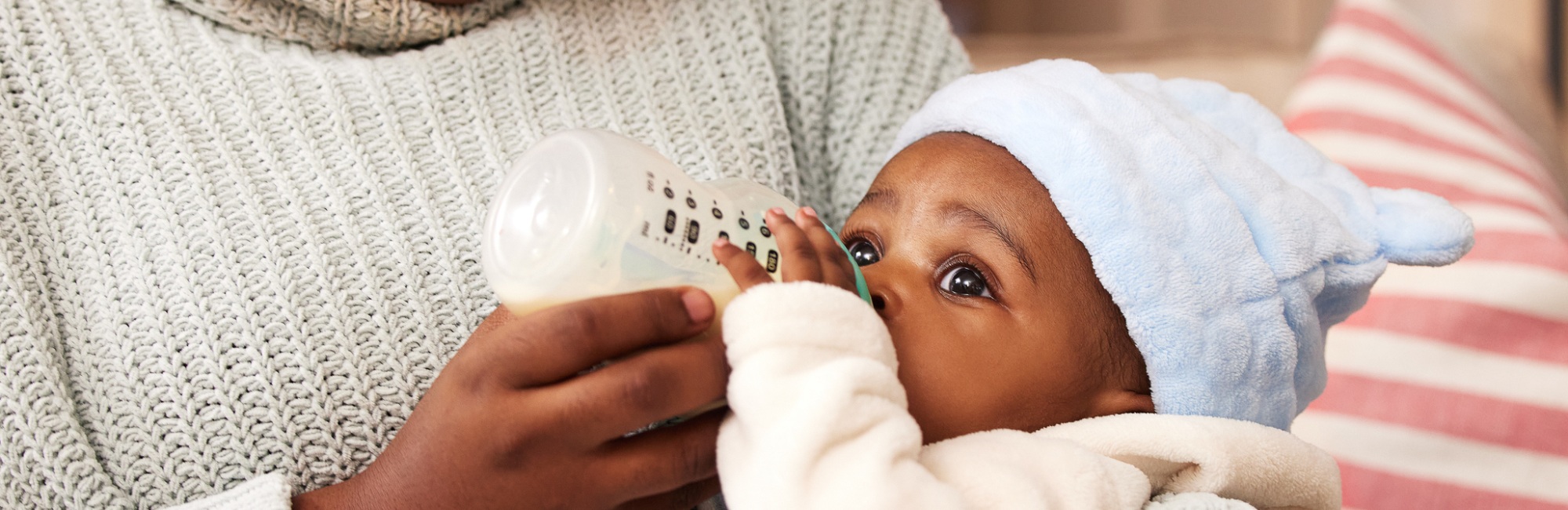
My GP-brain, my babies, and why I started to research
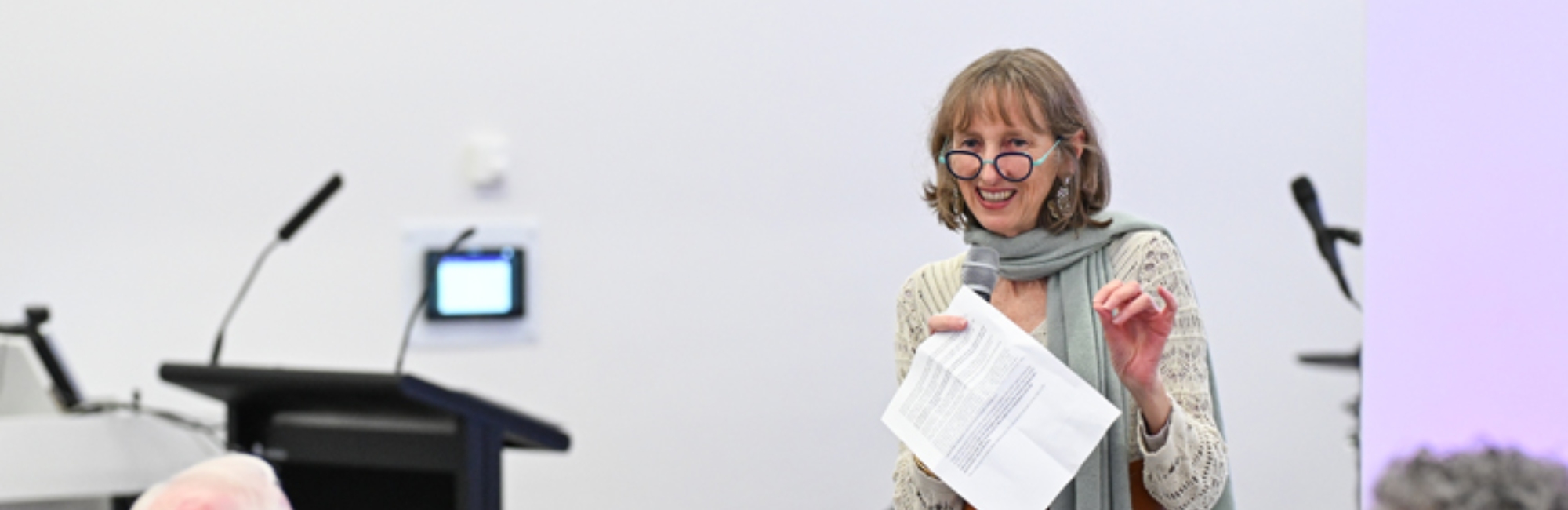
A little more about me
I am woman in my mid-sixties who once, long ago, breastfed my babies. I am also a doctor who has listened to the stories of, and worked with, thousands of breastfeeding women.
Mine were working breasts day and night for about five years from when I was thirty years old. I breastfed my children in tandem for a while. I loved breastfeeding - though to be honest, I didn’t love it all the time.
I had been a shy and not terribly confident younger woman, imaginative and rather sensitive. You could say I had a rather disrupted and painful relationship with my own body. I know how common this is for a woman in her twenties and thirties.
But the physicality of nurturing my babies, from when I turned thirty, and the long days spent in the company of other women doing the same, plunged me and my body into a new, transformative and healing relationship.
I learnt how to notice my body, her feelings and sensations, minute by minute, hour by hour. It's hard not to notice what's happening in your body once you fall pregnant, impossible not to notice when you're giving birth, and very hard not to notice when you're trying to breastfeed!
What are my qualifications for writing Possums Breastfeeding & Lactation?
My most important credential for writing this book is a lifetime of working with women and their babies as a general practitioner, beginning with my work in a First Nations' community-controlled health service in the late 1980s.
As a GP, I've had the rare privilege of being allowed into the innermost emotional and physical worlds of women with babies for almost forty years.
My life as a GP has, I believe, uniquely informed the writing of Possums Breastfeeding & Lactation. We GPs know the interconnectedness of mind, body, and spirit. We know the importance of evolutionary biology and the social determinants of health. Our generalist minds are forever wrestling with uncertainty and complexity, forever integrating across the biomedical, psychosociocultural, spiritual. I have the perspective of the GP who has shared in families’ lives over many years, watching babies grow into childhood and even adulthood in my local community. The intellectual and spiritual perspective on human life that comes from decades of working with families as generalist doctor is integral to who I am, and I am profoundly grateful for this privilege.
My clinical experience as a doctor with a special interest in breastfeeding began with my qualification as an International Board-Certified Lactation Consultant in 1994. I’d eagerly prepared to sit the exam when my baby boy and his older sister slept, walking them in the stroller to the post office to send off handwritten assignments to a lactation educator on the other side of the continent.
I’d been fascinated by breastfeeding, by the embodied, meditative, turbulent joy of my own ongoing experience and by any information I could find about it. I’d devoured all the texts and journal articles I could find. The ladies at the Melbourne-based Lactation Resource Centre posted me fat bundles of hardcopy research articles in response to the multiple literature searches I ordered from the early 1990s. I loved it when those parcels arrived!
Why I started publishing research
From the late 1990s once my kids were at school, I began diving into an underworld of broader infant feeding-related research papers. When I wasn’t in the clinic and felt I could snatch time away from the children, I conducted literature searches using the university’s first electronic search capabilities. I'd print out selected abstracts. I’d locate the hardcopy articles in bound collections of journals held in the university’s libraries, both the medical and the social sciences libraries. After which I’d photocopy them. Hours of photocopying, year after year!
It’s been much easier for a long time now, just slipping into the university’s digital library on my computer to run an electronic search, bringing up pdfs with a few swift clicks.
Back in the early 1990s I was astonished, you see, that babies were being medicated for the diagnosis of gastro-oesophageal reflux disease when no-one was addressing the actual underlying causes of their distressed behaviour, which I could see was often positional instability at the breast, which then often developed into a conditioned dialling up at the breast or bottle (not that I had fully developed up those terms back then), which even, in the worst situations, turned into the need for enteral feeds - that is, milk by nasogastric tubes.
I was also astonished at the way we were creating childhood allergies, by inappropriately diagnosing allergy (and prescribing maternal elimination diets) in breastfed babies who actually showed signs of positional instability or other unidentified breastfeeding related problems. I was astonished that breastfeeding support professionals and our single issue breastfeeding non-profits were actively promoting maternal elimination diets, in the belief that this would prevent allergies! I was astonished at the biased, culturally specific lenses medical and psychology researchers around the world applied as they interpreted data concerning mothers and babies.
Why did researchers assume, for example, that if babies screamed for hours a day in developed countries in the first months of life, this must be universally normal infant behaviour? I knew of plenty of research showing that prolonged bouts of crying weren’t ‘normal’ in other cultures, although you did have to move out of the medical library, as I did, into the anthropological and cross-cultural literatures. That meant exploring different library buildings in the university and I knew my way around them all. Perhaps most importantly, I knew from my own experience and from multiple sources that this wasn’t the case for Australian First Nations babies in more traditional contexts.
I was astonished at how lacking in objectivity the researchers were as they interpreted their own data, and how this impacted on medical practice, with our reductionist, medicalised lens and its worrying grip on people’s lives, how this created a blind spot concerning breastfeeding which caused babies to scream and mothers to weep, how this created trajectories of distress and disrupted relations within families, sometimes with life-long effects.
How I began translating this research into clinical practice and programs
By 2011, with my children growing up, I had opened the first Possums Clinic. I've aimed, with the help of various teams, to make the programs I've developed up from the research and my clinical experience over so many years - known as Neuroprotective Developmental Care (NDC or The Possums Programs), available to all families - through online parent programs, clinical services, and the education of health professionals.
Throughout my professional life my generalist's brain has also made sense of controversial topics about the care of infants through the theoretical lenses of evolutionary biology and complexity science. It's not me that I'm so confident in, it's these rock-solid and foundational theoretical frames.
The dream that has kept me going - my deepest hope - has always been that my work might help you and your family grow lots of joy, together.