Logo - The Possums baby and toddler sleep program.
parents home
librarybrowse all programsfind answers nowaudioprograms in audiogroup sessionsgroup sessions with dr pam
menu icon NDC Institute
possums for professionals
(the ndc institute)
menu icon eventsguest speakers
menu icon the sciencethe science behind possums/ndcmenu icon who we arewho we aremenu icon evidence basendc research publicationsmenu icon dr pam's booksdr pam's books
menu icon free resourcesfree resourcesmenu icon dr pam's blogdr pam's blog
menu icon consult with dr pamconsult with dr pammenu icon consult with dr pamfind a possums clinicmenu icon find a NDC accredited practitionerfind an ndc accredited practitioner
login-iconlogin

Welcome back!

Forgot password
get access
search

Search programs

PBL Foundations icon

PBL Foundations


  • What can you do to increase your milk production?
  • What can you do if your baby is 'marathon' breastfeeding?
  • Will taking domperidone help you make more breast milk?
  • Do herbs like fenugreek or lactation cookies (or boobie biscuits) help you make more breast milk?
  • Do breast compressions or massaging of the breast help increase milk transfer (directly breastfeeding + pumping)?
  • Using donor milk: human milk banks + milk sharing
  • When does it help to use a supplementer (also known as a supplemental nursing system)?
  • Breastfeeding went much better for Mariana and her five-week-old baby when she stopped using a supply line (or supplementer)

Next article

Sign up now
  • PBL Foundations
  • S9: Making the right amount of breast milk
  • CH 2: When you don't have enough milk
  • PT 2.3: What to do when your baby isn't getting enough milk from direct breastfeeding

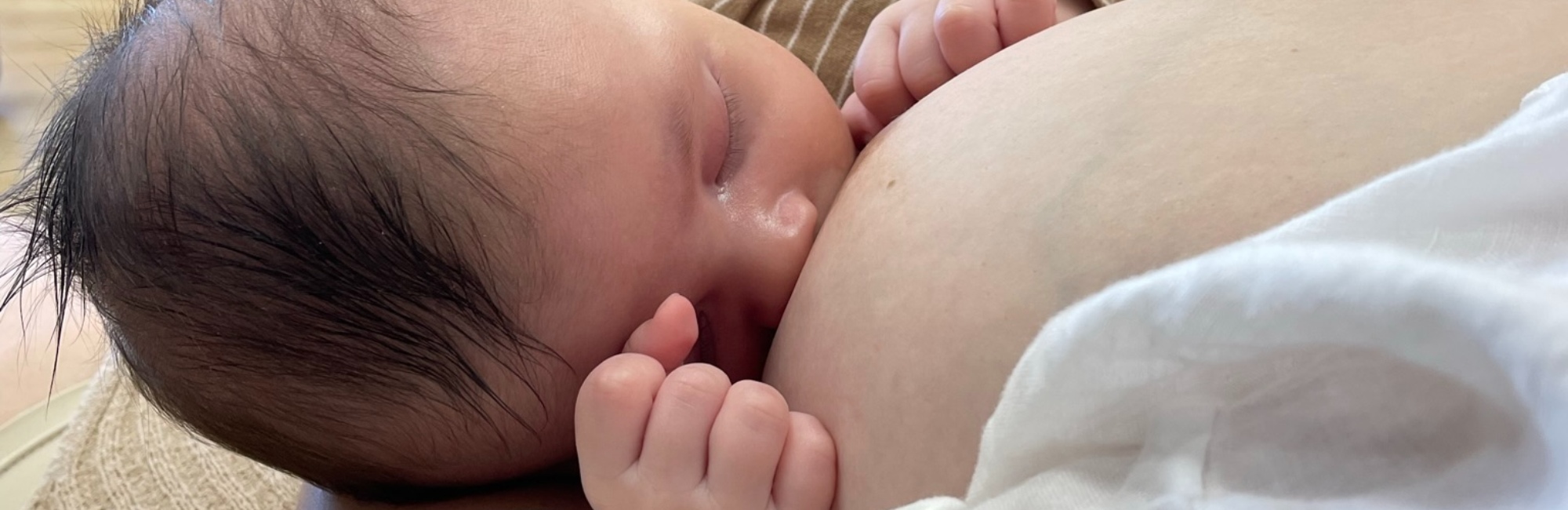
What can you do to increase your milk production?
Dr Pamela Douglas11th of Jul 202417th of Jan 2025

x

The only way to increase the amount of milk your breasts make is to take more milk from your breasts

Directly breastfeeding more frequently, even if for quite short periods of time, is your best chance of increasing your milk production if you find your supply is not meeting your baby's caloric needs.

If you're unable to directly breastfeed, doing the same with hand expression or mechanical pumping is the next best way to remove milk from your breasts, so that you make more milk.

  • You can find out about frequent flexible breastfeeds here.

  • You can find out about pumping starting here.

Switch baby from side to side

It helps to switch between breasts as frequently as your baby will tolerate when you're hoping to build your supply. Consider switching sides when baby doesn't seem to be doing much swallowing or is dosing off to sleep.

It's important your baby doesn't feel under any pressure to breastfeed though, or feel constantly interrupted at the breast, because this can backfire and create a conditioned dialling up in your baby. Just experiment and see what works for your little one.

You can find out about conditioned dialling up at the breast here.

Avoid 'power' pumping or 'emptying' your breast

Despite what you might hear, breastfeeding or pumping for longer periods of time doesn't necessarily take more milk from your breasts. This is because about 60% of milk in a feed or pumping session is transferred in the first two letdowns, and subsequent letdowns transfer decreasing volumes.

  • There's no reason to think 'power' pumping improves supply (although more frequent, shorting pumping sessions will).

  • Trying to 'empty' your breasts can backfire and decrease your supply. You can find out about this here.

How to optimise the settings on your breasts' capacity to make milk from the very beginning

Frequent and flexible breastfeeding in the first hours and days of their babies' lives is the best way to ensure that your milk supplyis set as high as possible for the months (or years) ahead.

  • You can find out about how to help your breasts make plenty of milk from the very beginning here.

  • Currently, there are blind spots in our health systems about how to do this. You can find out about this here.

Nipple and breast tissue drag or baby's fussing at the breast commonly interfere with a woman's capacity to make more milk

Nipple and breast tissue drag commonly interferes with a woman's capacity to make more milk. This is because nipple and breast tissue drag

  • Causes you pain, which may make it unwise or impossible to offer your breast more frequently

  • Compresses your milk ducts, which makes milk removal less efficient

  • Can result in your baby having a conditioned dialling up at the breast, which makes it difficult or impossible for baby to remove more milk fro the breast.

You can find out about fit and hold starting here.

You can find out about the fussy breastfed baby starting here.

Recommended resources

Does taking domperidone increase breast milk production?

Galactogogues other than domperidone

When does it help to use a supplementer (also known as a supplemental nursing system)?

Do breast compressions or massaging of the breast help increase milk transfer (directly breastfeeding + pumping)?

Does stress affect your breast milk letdowns?

What DOESN'T usually help with low supply: oxyotocin, iron infusions, diet, drinking more water

Finished

share this article

Next up in What to do when your baby isn't getting enough milk from direct breastfeeding

What can you do if your baby is 'marathon' breastfeeding?

x

What is meant by 'marathon' breastfeeding?

Marathon breastfeeding is a term often used when you feel that you're constantly breastfeeding, day and night. It happens when you find the only way to keep your baby dialled down is to offer the breast. Women who are marathon breastfeeding are exhausted, and often say to me that they just can't keep on doing it for much longer.

Your have a newborn who is marathon feeding

If you have a newborn who is marathon feeding, please have your baby weighed and assessed by your GP or other health professional. This is your most important first step.

There are two things to bear in mind which don't help when you're breastfeeding…

Keep reading
logo‑possums

Possums in your inbox

Evidence-based insights, tips, and tools. Occasional updates.

For parents

parents homebrowse all programsfind answers nowprograms in audiogroup sessions with dr pam

For professionals

possums for professionals
(the ndc institute)
guest speakers

About

the science behind possums/ndcwho we arendc research publicationsdr pam’s books

More resources

free resourcesdr pam’s blog

Clinical consultation

consult with dr pamfind a possums clinicfind an ndc accredited practitioner

Help & support

contact usfaqour social enterpriseprivacy policyterms & conditions

Social

instagramlinked infacebook

Possums acknowledges the traditional owners of the lands upon which The Possums Programs have been created, the Yuggera and Turrbal Peoples. We acknowledge that First Nations have breastfed, slept with, and lovingly raised their children on Australian lands for at least 65,000 years, to become the oldest continuous living culture on Earth. Possums stands with the Uluru Statement from the Heart.