Vasospasm of the nipples during lactation: prevalence and pathophysiology
What is vasospasm, in general?
Vasospasm is a spasmodic contraction of the smooth muscle which lines the walls of the small arteries and arterioles, limiting blood flow. Vasospasm is the underlying mechanism which may lead to clinically evident blanching.
After blanching, the colour of the skin may sometimes but not always change to purple, due to ischaemic deoxygenation, followed by a red flush once the arterioles relax again. White and then purple colouration are due to vasospasm; a red flush is due to subsequent hyperaemia. These colour changes are typically diagnosed as signs of primary Raynaud’s syndrome (also known as Raynaud’s disease or Raynaud’s phenomenon), of unknown cause, but using this diagnosis is unhelpful.
-
Primary Raynaud’s typically occurs between the ages of 15 and 30 years, most commonly in females, affecting the fingers, toes, or ears. A 1978 Scandinavian study found that Raynaud’s of the hands affects up to 20% of women of childbearing age.1
-
Secondary Raynaud’s, that is, Raynaud’s with a known cause, can occur due to a connective tissue disorder (e.g. scleroderma, systemic lupus erythematosus or rheumatoid arthritis), exposure to injury or prolonged vibration, cigarette smoking, thyroid dysfunction, and the oral contraceptive pill. There is no clear evidence linking caffeine intake to secondary Raynaud’s.
-
Both primary and secondary Raynaud’s are more common in cold climates.
The mechanisms of vasospasm remain poorly understood. In general, chronic hyperactivation of the sympathetic nervous system causes unstable vasoconstriction. This explains why chronic elevation of sympathetic nervous system activity (e.g. stress) is associated with high blood pressure and increased contraction or resistance of peripheral blood vessels. Inflammatory factors are known to destabilise the homeostasis of smooth muscle contraction and relaxation in arterioles, triggering contraction.
What is lactation-related vasospasm of the nipple?
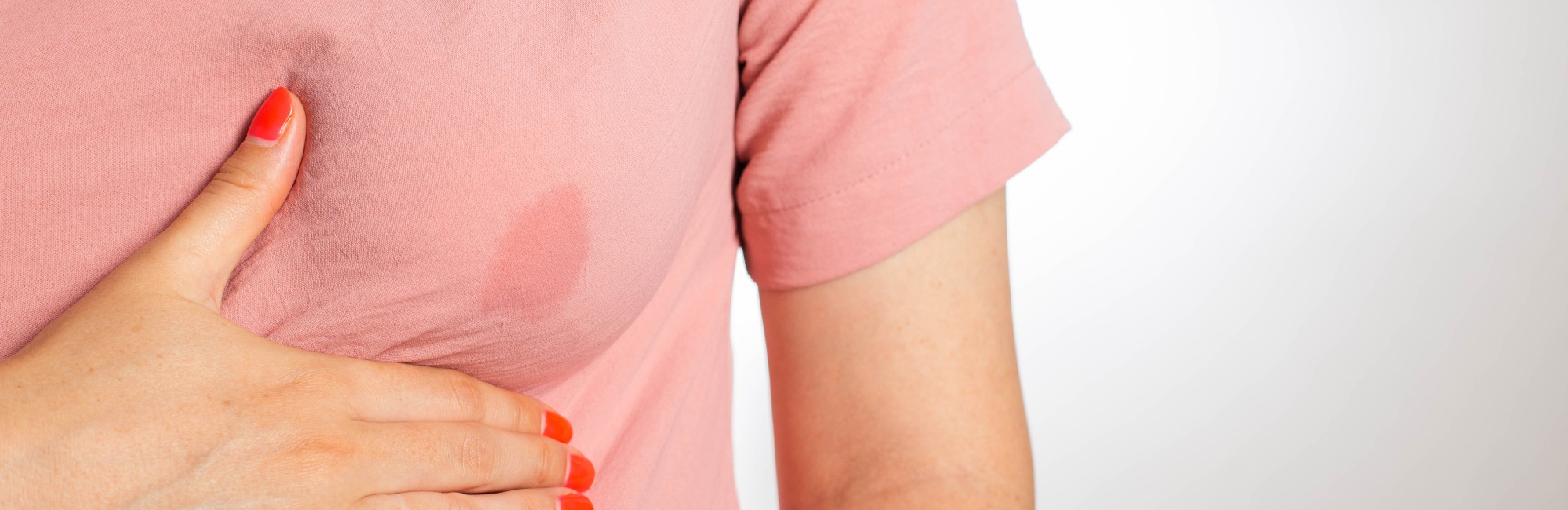
Breastfeeding women may describe shooting, stabbing, radiating or burning nipple and breast pain at the same time as they notice visible blanching of the nipple face, referred to as vasospasm.
- In 2014, Buck et al found that almost a quarter of 323 Australian breastfeeding women reported nipple vasospasm in the first 8 weeks after birth.2 Although these women had higher pain scores when averaged out compared to breastfeeding women without nipple vasospasm, the majority of women who reported vasospasm stated that their vasospasm was not a significant problem.
Nipple vasospasm during lactation is not the same as primary Raynaud's syndrome
All nipple pain guidelines acknowledge that mechanical breastfeeding trauma is a likely cause of vasospasm.3 4 Paradoxically though, painful nipple vasospasm is nevertheless confused with the diagnosis of primary Raynaud’s syndrome and is then treated as a primary phenomenon which lacks a known underlying, treatable, cause. Women with vasospasm are then typically prescribed a pharmaceutical intervention (nifedipine).
- In 2004, Anderson et al studied 12 women who suffered from extremely painful breastfeeding. These women also experienced blanching of the nipple followed by cyanosis and/or erythema, precipitated by cold temperatures. Because 10 of these mothers were evaluated by IBCLCs who reported confidence that breastfeeding technique did not contribute, the authors concluded that poor positioning and poor attachment or latch were not responsible. Half of the women in this small case series were then diagnosed with Raynaud’s disease and prescribed nifedipine. All six reported prompt relief of pain. But this small methodologically weak study lacks a control for the placebo effect, and fit and hold remains an omitted variable bias.5
Nipple vasospasm during lactation results from repetitive mechanical microtrauma
The NDC mechanobiological model proposes that nipple vasospasm in breastfeeding women results from repetitive mechanical microtrauma, which causes inflammation. This inflammation impacts on the autonomic nervous system, destabilising the homeostatic smooth muscle mechanisms in the walls of the rich vascular bed of the nipple stroma and dermis. The subsequent tendency to vasospasm may occur either during breastfeeding or between feeds.
Attempts to distinguish between nipple vasospasm episodes which occur during or immediately after a feed, and nipple vasospasm episodes which occur between feeds, is not diagnostically helpful or relevant.
A history of autoimmune disease or diagnosis of Raynaud’s syndrome prior to lactation increases the likelihood of a vasospasm response to the inflammation of nipple dermis or stroma which results from excessive mechanical loads during breastfeeding or mechanical milk removal. Similarly, environmental factors such as cold or touch are more likely to trigger a vasospasm response in nipple dermis or stroma which is inflamed due to intermittent experience of excessive mechanical loads during breastfeeding or pumping.
Lactation-related nipple vasospasm is more accurately conceptualised as a secondary Raynaud’s, which occurs in response to inflammation from repetitive exposure to excessively high mechanical loads.
Management of nipple vasospasm during lactation
You can find management here.
References
- Olsen N, Nielson SL. Prevalence of primary Raynaud's phenomenon in young females. Scand J Clin Lab Invest 1978;37(761-776)
- Buck ML, Amir LH, Cullinane M, et al. Nipple pain, damage and vasospasm in the first eight weeks postpartum. Breastfeeding Medicine 2014;9:56-62.
- Berens P, Eglash A, Malloy M, et al. Persistent pain with breastfeeding: ABM clinical protocol #26. Breastfeeding Medicine 2016;11:46-56.
- Amir LH, Beaza C, Charlamb J, R, et al. Identifying the cause of breast and nipple pain during lactation. BMJ 2021;374:n1628.
- Anderson JE, Held N, Wright K. Raynaud's phenomenon of the nipple: a treatable cause of painful breastfeeding. Pediatrics 2004;113(4):e360.