Logo - The Possums baby and toddler sleep program.
parents home
librarybrowse all programsfind answers nowaudioprograms in audiogroup sessionsgroup sessions with dr pam
menu icon NDC Institute
possums for professionals
(the ndc institute)
menu icon eventsguest speakers
menu icon the sciencethe science behind possums/ndcmenu icon who we arewho we aremenu icon evidence basendc research publicationsmenu icon dr pam's booksdr pam's books
menu icon free resourcesfree resourcesmenu icon dr pam's blogdr pam's blog
menu icon consult with dr pamconsult with dr pammenu icon consult with dr pamfind a possums clinicmenu icon find a NDC accredited practitionerfind an ndc accredited practitioner
login-iconlogin

Welcome back!

Forgot password
get access
search

Search programs

PBL Advanced icon

PBL Advanced


  • The mammary immune system of the lactating breast is made up of nested complex adaptive systems
  • The enteromammary and mammary immune systems are parts of the maternal-infant immune system
  • Human milk immune and epithelial cells (both alive and dead) protect the mammary gland and the infant
  • The protective role of inflammation in the lactating breast: activation of milk microbiome, somatic cells, and fever
  • Is the concept of milk dysbiosis helpful?

Next article

Sign up now
  • PBL Advanced
  • S3: Lactation-related mechanobiology, anatomy, physiology, milk composition, microbiomes
  • CH 4: Milk composition, mammary microbiomes, and the maternal-infant immune system
  • PT 4.3: Mammary immunoregulation + the milk and stroma microbiomes

The enteromammary and mammary immune systems are parts of the maternal-infant immune system
Dr Pamela Douglas20th of Sep 202520th of Oct 2025

x

Enteromammary immune system

The enteromammary immune system refers to the pathway by which immune cells activated in the mother’s gut migrate to the mammary glands.

  • This allows maternal exposure to microbes, food antigens, and pathogens in her intestine to influence the antibodies (especially secretory IgA) secreted into breast milk.

  • This is a gut-to-breast immune link which provides targeted protection for the infant’s gut.

Maternal-infant immune system

The maternal-infant immune system is a broader term which includes all immunological interactions between mother and child.

This covers:

  • Prenatal immunity (e.g., transplacental transfer of IgG antibodies).

  • Postnatal immunity through breastfeeding (antibodies, immune cells, cytokines, oligosaccharides).

  • Maternal microbiota - of the milk and the nipple-areolar complex - and other skin contact that help “train” the infant immune system.

The mammary immune system

The mammary immune system comprises immune cells, tissues, and molecular mechanisms which protect the mammary gland from infection and maintain tissue homeostasis. It also contributes to the transfer of immune factors, such as antibodies, into milk during lactation, providing passive immunity to offspring and supporting neonatal health.

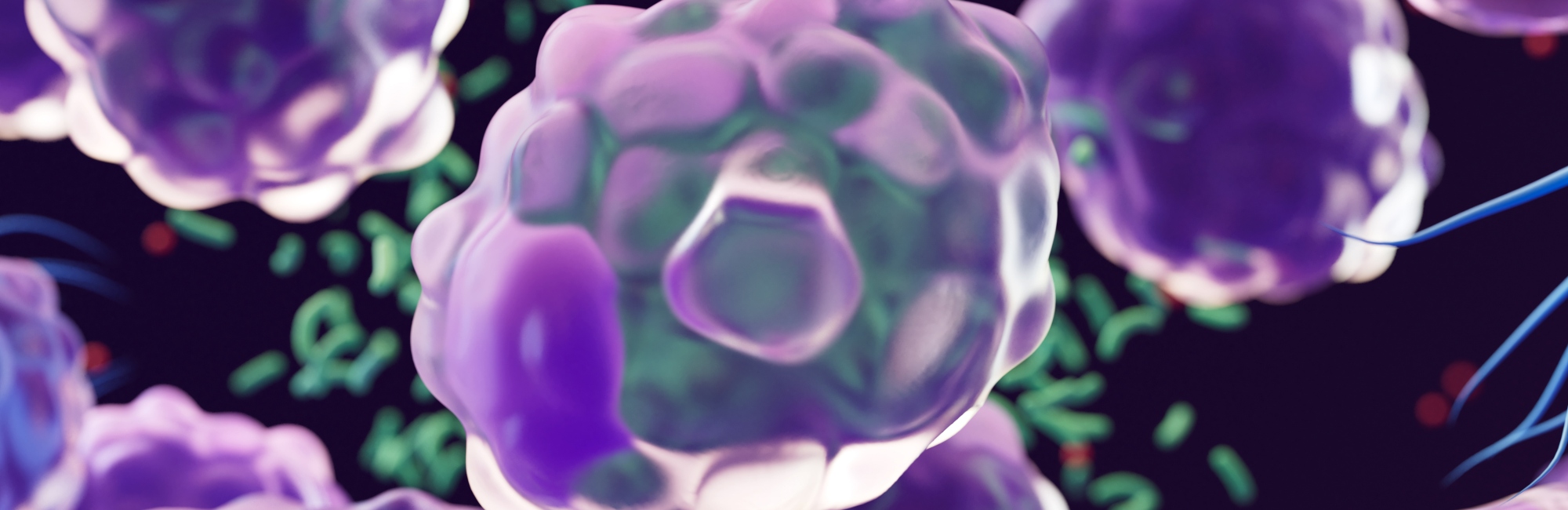
Key components of the mammary immune system include macrophages (pictured in the photo at the top of this page), neutrophils, lymphocytes, and dendritic cells, which reside in the breast stroma or are recruited during challenges such as mastitis. These cells

  • Identify and eliminate microbes which may be threatening to become dominant in a way that could cause pathology

  • Produce cytokines, and

  • Facilitate tissue repair.

The mammary immune system is particularly active during lactation, when the breast is in a heightened pro-inflammatory state.

Summary

Both the enteromammary system and the mammary immune system are overlapping components of the maternal-infant immune system. The maternal-infant immune system is an umbrella concept. The enteromammary pathway is a specific mechanism within it that explains how the mother’s gut experiences shape the immune factors in her milk. The mammary immune system is the immune activity in a woman's breast which protects her breast stroma and her milk, and also provides immune cells and factors in the milk to protect her infant.

The photo at the top of the page is of a macrophage, under microscopy.

Selected references

Guillen-Morales DdJ, Cruz-Cortes I, Sosa-Velazco TA, Aquino-Dominguez AS. The mother-infant symbiosis: a novel perspective on the newborn's role in protecting maternal breast health. Hygiene. 2025;5(46):https://doi.org/10.3390/hygiene5040046.
Finished

share this article

Next up in Mammary immunoregulation + the milk and stroma microbiomes

Human milk immune and epithelial cells (both alive and dead) protect the mammary gland and the infant

x

Living lactocytes are the most common (non-microbiome) cells found in mature human milk

Human milk is a remarkable, highly dynamic biological fluid which offers far more than nutrition. In addition to the microbiome, human milk contains millions of living cells, also referred to collectively as somatic cells. The total somatic cell count per milliliter of milk decreases over the course of lactation, but dramaticallly increases (at the same time as colony forming units of bacteria increase) during breast inflammation.

  • Immune cells are the dominant population in early-stage milk (or…

Keep reading
logo‑possums

Possums in your inbox

Evidence-based insights, tips, and tools. Occasional updates.

For parents

parents homebrowse all programsfind answers nowprograms in audiogroup sessions with dr pam

For professionals

possums for professionals
(the ndc institute)
guest speakers

About

the science behind possums/ndcwho we arendc research publicationsdr pam’s books

More resources

free resourcesdr pam’s blog

Clinical consultation

consult with dr pamfind a possums clinicfind an ndc accredited practitioner

Help & support

contact usfaqour social enterpriseprivacy policyterms & conditions

Social

instagramlinked infacebook

Possums acknowledges the traditional owners of the lands upon which The Possums Programs have been created, the Yuggera and Turrbal Peoples. We acknowledge that First Nations have breastfed, slept with, and lovingly raised their children on Australian lands for at least 65,000 years, to become the oldest continuous living culture on Earth. Possums stands with the Uluru Statement from the Heart.