Infant saliva is rich in protective immune and other factors
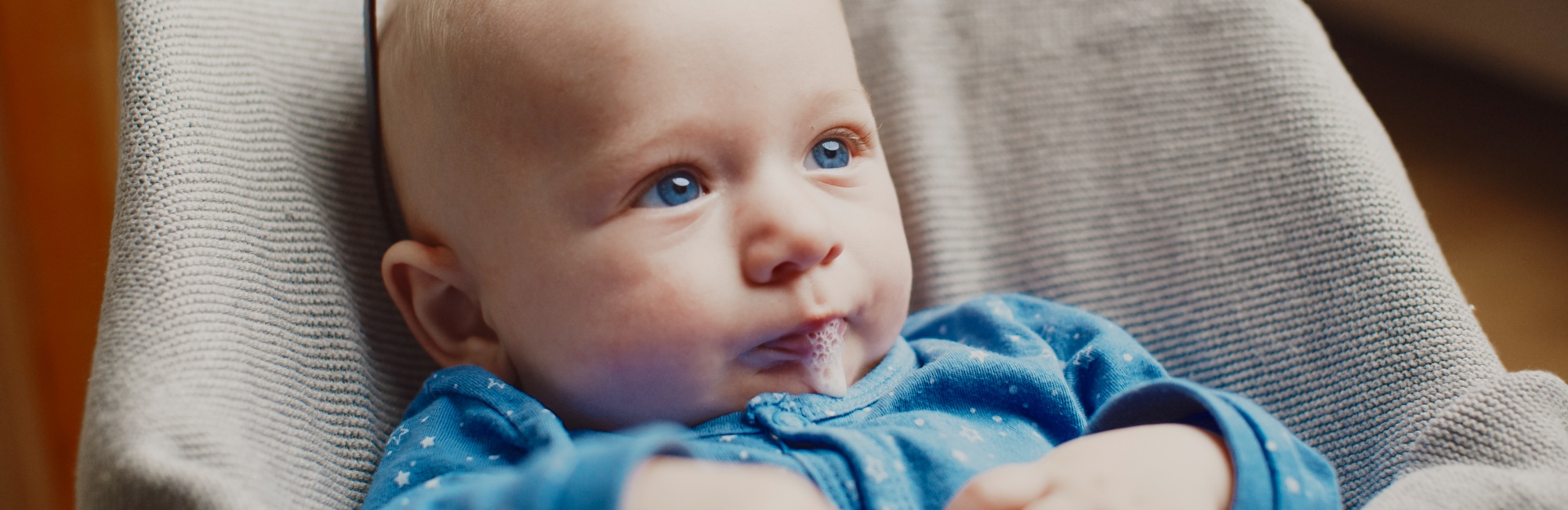
Infant saliva contains multiple interacting bactericidal, fungicidal, and immunoprotective factors. Certain kinds of micro-organisms which are more likely to turn pathogenic are inhibited by breastmilk alone and more so when infant saliva is mixed with breast milk, with synergistic bactericidal effects.
Infant saliva's bactericidal properties include
-
Pattern-recognition molecules, which act as functional predecessors of antibodies, recruiting immune cells to defend against mucosal pathogens
-
Antibacterial lysozyme, and
-
Histatins and polypeptide molecules, which stimulate cell growth and kill bacteria and fungi, in particular Candida albicans.
Histatins in infant saliva also
-
Stimulate keratinocyte and fibroblast migration
-
Angiogenesis, and
-
Enhance the reepithelialisation of a wounded area.
Selected references
Al-Shehri SS, Knox CL, Liley HG. Breastmilk-saliva interactions boost innate immunity by regulating the oral microbiome in early infancy. Plos One. 2015;10(9):e0135047. doi:0135010.0131371/journal.pone.0135047.
Hajishengallis G, Russell MW. Innate humoral defense factors. Mucosal Immunity. 2015:251-270.
Pan L, Zhang X, Gao Q. Effects and mechanisms of histatins as novel skin wound-healing agents. Journal of Tissue Viability. 2021;30:190-195.
Sweeney EL, Al-Shehri SS, Cowley DM, Liley HG, Bansal N, Charles BG, et al. The effect of breastmilk and saliva combinations on the in vitro growth of oral pathogenic and commensal microorganisms. Scientific Reports. 2018;8:15112.