Persistent lactation-related nipple pain results from repetitive mechanical microtrauma which causes ongoing tissue inflammation
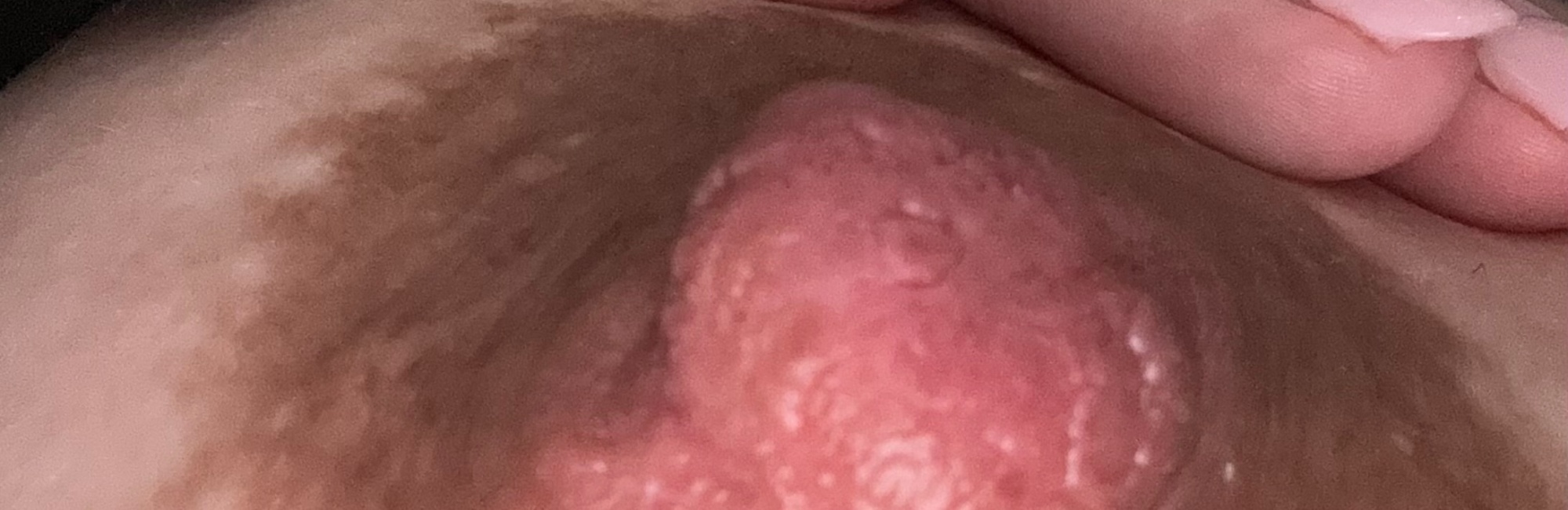
The experience of nipple pain due to acute tissue damage is modulated by both genetic and psychosocial factors
The biomedical model, which is outdated, conceptualises pain as a direct consequence of tissue damage. The biomedical model assumed that the more severe an injury, with its associated inflammation, the more severe the pain. It also assumed that as tissue damage resolves, pain resolves.
But it is now known that
-
During acute tissue damage, pain perception is predominantly affected by the extent and nature of the injury. Relatively unspecialised nerve cell endings known as nociceptors send a threat signal to the brain.
-
The brain evaluates the extent of threat by drawing on information from current and past experiences. This perception is moderated by the psychological state of the brain.
-
Even in the case of acute injury, psychosocial and genetic factors, psychological state, and past experiences of pain interact to modulate pain perception.
Lactation-related nipple pain is due to acute tissue damage even when persistent
It's unhelpful to extrapolate management of chronic pain syndromes to the care of breastfeeding women with persistent nipple pain. Lactation-related nipple pain remains an acute pain according to the IASP definitions, even when nipple pain is persistent. Nipple stroma and dermis are dense in nociceptors and richly vascularised. You can find out about this here.
-
A woman's experience of nipple pain is triggered by acute tissue damage and inflammation, even when modulated by genetically moderated pain sensitivity, psychological state, and the impact of psychosocial factors.
-
Inflammation caused by repetitive application of excessively high mechanical loads on the nipple skin, or by inflammation caused by micro-haemorrhages in nipple stroma, send powerful nociceptive signals to the brain and should not be mistaken for nociplastic pain.
-
When application of mechanical forces cease altogether, in the absence of ongoing sucking or mechanical milk removal, inflammation of the nipple skin and stroma rapidly resolves and the experience of pain ceases. This is why women with persistent nipple pain are more likely to prematurely wean.
-
Although anxiety and depression modulate pain thresholds, anxiety and depression also result from the experience of pain with breastfeeding.10
The NDC clinical guidelines for persistent nipple pain are corroborated by a study conducted by McClellan et al in 2012. The authors expressed concern that “lack of research describing the pain severity and characteristics for breastfeeding women may lead some clinicians to question the pain threshold of women experiencing persistent pain”. They suggested that the effects of excessively high intra-oral vacuums measured in women with nipple pain may be the predominant reason for ongoing pain perception, rather than central sensitisation.
Breastfeeding medicine clinicians and lactation consultants need to address mechanical stressors which result in acute nipple epidermal and stroma inflammation and nociceptive pain
Our role as breastfeeding medicine clinicians is to remove the mechanical stressors that result in nipple pain and damage. I have the view that it is not respectful, and is of no benefit to the woman, for a clinician to focus on psychological elements of her experience of lactation-related nipple pain. Only an effective intervention which removes the repetitive mechanical microtrauma will remove the psychological stress of a constant or repetitive pain experience, no matter where this woman is on the spectrum of pain perception, ranging from stoic to sensitive.
A woman's experience of stress may worsen her nipple pain by changing how she holds her baby
The physical and psychological stress of breastfeeding in the presence of pain may exert effect by causing unconscious muscle tension, which results in elevation of shoulders and arms or difficulty making adjustments to fit and hold (micro-movements), worsening conflicting intra-oral vectors of force. A gestalt fit and hold intervention is indicated.

Recommended resources
Are women more prone to persistent nipple pain during lactation if they have other skin conditions?
Persistent lactation-related nipple pain: aetiology and management
Selected references
Douglas PS. Re-thinking lactation-related nipple pain and damage. Women's Health. 2022;18:17455057221087865.