Colostrum: evolutionary origins, mechanisms of secretion, and biomarkers of secretory activation
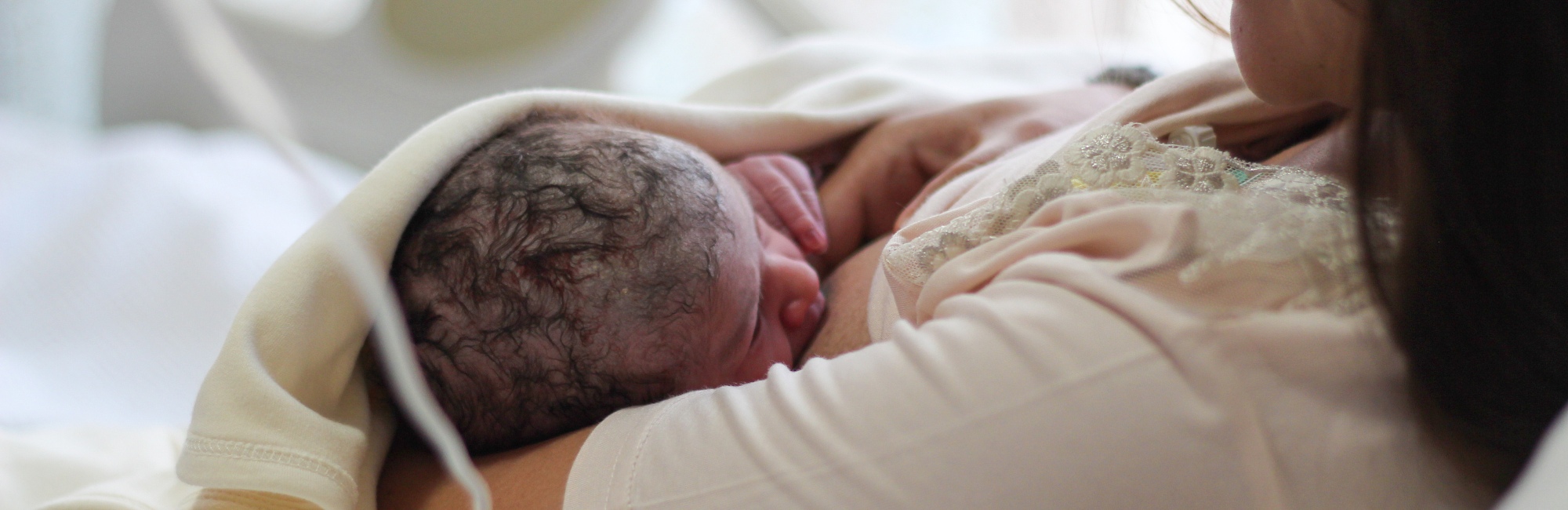
"The volume of colostrum consumed by infants over a 24-hour period is low (mean 29 mL; SD 24mL) with a rapid increase to 414 mL (SD 123) at day 5 and 650 mL by day 8 postpartum with full milk production reached by day 14." (Perrella et al 2021)
Colostrum is evolutionarily ancient immune tissue
Human breast milk composition changes constantly. Colostrum is the earliest secretion from the maternal breast, preceding copious milk production. Amongst the spectrum of breast milk compositions biologically available to an infant over the course of lactation, colostrum is the most concentrated in immune components.
Colostrum provides the pristine neonatal intestine with an abundance of maternal and environmental cues. From an evolutionary perspective, microbial and immunoglobulin transfer from the maternal body into the infant gut, along with the accompanying human milk oligosaccharides (which feed the milk bacteria), are crucial for developing the neonate’s gut microbiome and immune system.
As life moved up onto dry land, the amphibian and reptilian newborn started life within the protection of a calcium carbonate eggshell. Once mammals evolved to retain the developing embryo inside their body and to birth their young live, without an eggshell, maternal immune secretion from a modified sweat gland offered extra protection to the naked little newborn, who licked it. This immune excretion was the ancestral mammalian milk, which protected mammalian newborns from being overwhelmed by infective environmental agents.
How is colostrum secreted?
Colostrum results from differentiation and development of glandular tissue during pregnancy (secretory differentiation), not from secretory activation.
Lactocytes begin to synthesise the lactose and casein and other components found in colostrum from 12-16 weeks antenatally. However, lactocyte tight junctions remain permeable until the first few days after birth. That is, the paracellular pathway is patent for the first few days. In this time, lactose (produced by the transcellular pathway) moves back (via the paracellular pathway) into the blood stream and is excreted in the urine. This tight junction permeability determines the major biochemical and immunological compositions of colostrum.
By three to five days after delivery, tight junctions of the mammary epithelium have closed.
What are the differences between colostrum and transitional milk?
The most accurate measures of secretory activation are changes in milk biomarkers that occur as a consequence of
-
Up-regulation of transcellular pathways
-
Closure of the paracellular pathway.
As a result, in the first days postpartum
-
Lactose, citrate, and potassium (K) levels increase
-
Protein and sodium (Na) levels decrease.
Hoban et al 2021: colostrum and biomarkers of secretory activation
Biomarker 1: Lactose
"When the paracellular pathway is patent, lactose — the primary osmotic driver of [maternal milk] volume that is secreted via [the] transcellular pathway, passes from the mammary gland into the maternal circulation and is excreted in the urine."
Biomarker 2: Sodium and potassium
"As the paracellular pathway closes, milk lactose increases, whereas Na concentration and the Na:K decrease.
Serial changes in both Na level and the Na:K reflect the patency of the paracellular pathway in the mammary gland, which must close during early lactation to enable subsequent increases in mother's own milk (MOM) volume.
Both Na and K are secreted into a mother's own milk (MOM) via transcellular pathway ... but the very high Na concentration in early MOM is a function of its transfer from the maternal circulation via the patent paracellular pathway. In contrast, K concentration is unaffected by paracellular pathway transfer and continues to increase through the first 96 hours postpartum. Thus, the Na:K is thought to serve as a standardization of Na concentration for the individual mother, theoretically making the Na:K more useful as a biomarker than Na concentration alone.
Serial Na and K concentrations are measured more easily and reliably than lactose, especially when point-of-care methodologies are used, and serve as customary MOM biomarkers for paracellular pathway closure."
Biomarker 3: Citrate
"Of the remaining MOM biomarkers, only citrate, which is secreted into milk via transcellular pathway ... is unaffected by paracellular pathway closure ... MOM citrate has been termed “the harbinger of lactogenesis” and is thought to be the first of up-regulated MOM components during secretory activation in humans."
Mature milk
Milk is considered fully mature by two weeks postpartum. Mature milk composition is highly variable, but has decreased concentrations of the immunologically active molecules, with increased volume (resulting from increased lactose) and increased nutritional content. A key difference between colostrum and mature milk is increased total fat.
Maternal factors such as body composition, diet, ethnicity, geography, genetics and lifestyle all contribute to the unique milk signature of each woman.
Recommended resources
Possums Breastfeeding & Lactation Foundations
How to hand express your colostrum or milk
Does it help to express colostrum before the birth and when would you use it?
Colostrum: innoculating your newborn with living immune tissue
Possums Breastfeeding & Lactation Advanced
Thinking about colostrum through a reductionist lens could worsen breastfeeding outcomes
Selected references
Corona-Cervantes K, S'anchez-Salguero E, Z'arate-Segura P. Maternal immunoglobulins differentially bind a diverse bacterial community in human colostrum and the stool of breastfed neonates. Immunology Letters. 2025;273:106978.
Liben ML. Colostrum: the golden milk for infants' health. Global Journal of Intellectual and Developmental Disabilities. 2017;1(4):GJIDD.MS.ID.555566.
Perrella SL, Gridneva Z, Tat Lai C. Human milk composition promotes optimal infant growth, development and health. Seminars in Perinatology. 2021;45(151380):https://doi.org/10.1016/j.semperi.2020.151380.
Verhasselt V. A newborn's perspective on immune responses to food. Immunological Reviews. 2024;326:117-129.