
The human milk metabolome
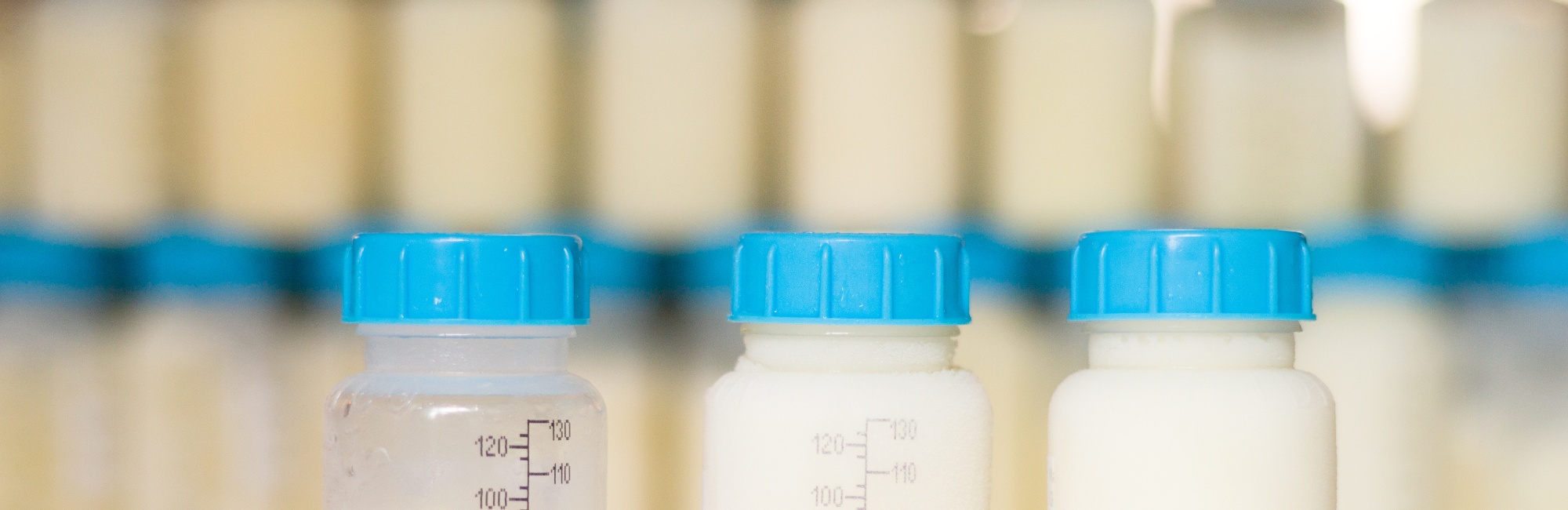
The composition of the human milk metabolome
From an evolutionary perspective, metabolites are the myriad sophisticated molecules which
-
Power the biological conversion of energy derived from the Sun into useable energy within living tissues
-
Result from the breakdown of environmental factors (e.g. medications) in order to protect the function of the tissue.
A metabolome is defined as the set of metabolites present in a given biological system, fluid, cell, or tissue at a given time.
The human milk metabolome is composed of the low molecular weight metabolites present in breast milk, including amino acids, sugars, organic acids, fatty acids, vitamins, and nucleotides. These complement the macronutrients and oligosaccharides to shape infant metabolism, gut ecology, and immune maturation. These metabolites derive from both maternal physiology and environmental factors. Many of these metabolites are not found in commercial milk formulas or cow's milk.
Key components are
-
Free amino acids such as glutamine, taurine, and glycine, which support protein synthesis and neural development
-
A diverse array of oligosaccharides, which function as prebiotics and protect against pathogens. Human milk oligosaccharides are a diverse group of complex carbohydrates present in high concentrations in human milk. They are classified as metabolites because they are small molecules produced by maternal metabolic processes and secreted into milk.
-
Lipid metabolites, including long-chain polyunsaturated fatty acids (LC-PUFAs) such as docosahexaenoic acid (DHA) and arachidonic acid (ARA), essential for brain and retinal development. The composition of these lipids is influenced by maternal genetics and diet (Lai et al., 2023).
-
Human milk also provides bioactive metabolites such as antioxidants, anti-inflammatory compounds, and hormones, which contribute to immune regulation and protection from oxidative stress.
The human milk metabolome is dynamic and variable
The human milk metabolome is recognized as a dynamic, context-dependent system influenced by lactation stage, gestational age, maternal health, and milk processing practices.
Modern metabolomics has revealed hundreds to thousands of detectable features in human metabolome, with substantial variation across the course of lactation, the infant's gestational age, and maternal health. The metabolome is also altered by processing, for example, in donor milk.
That is, we could say that human milk is metabolically plastic.
Donor milk and processing
-
Donor human milk often undergoes Holder pasteurisation, which can reduce fat content and energy density, altering the metabolome profile relative to fresh maternal milk. Free fatty acids, phospholipid metabolites, and sphingomyelins decrease with treatment.
-
High hydrostatic pressure processing is another method that differentially impacts human milk metabolites, reducing fat content, illustrating how processing choices can modulate the nutrient and bioactive composition delivered in donor milk.
-
The Holder pasteurisation samples showed stronger decreases in these lipid classes than the high hydrostatic pressure-treated ones in many cases.
These findings have practical implications for fortification strategies and infant outcomes in NICUs and emphasise the need for metabolomic monitoring when using donor milk.
Clinical and translational implications
-
Comparisons of human milk metabolomes with infant formulas and animal milks help reveal functional nutritional gaps which may contribute to differences in growth and metabolic outcomes, guiding fortification and formula design to better mimic human milk's metabolite landscape.
-
Integrating metabolomics with microbiome data are accelerating insights into how human milk composition shapes infant gut ecology and systemic metabolism.
Selected references
Lai CT, Geddes DT, Trengove N, et al. Human milk lipid composition is associated with maternal and infant characteristics. Am J Clin Nutr. 2023;117(2):315-324.
Ballard O, Morrow AL. Human milk composition: nutrients and bioactive factors. Pediatr Clin North Am. 2013;60(1):49-74. https://doi.org/10.1016/j.pcl.2012.10.002
Bode L. Human milk oligosaccharides: every baby needs a sugar mama. Glycobiology. 2012;22(9):1147-1162. https://doi.org/10.1093/glycob/cws074
Calvo-Lerma J, Cabrera-Rubio R, Lerin C. Comprehensive targeted and qauntitative profiling of the human milk metabolome: impact of delivery mode, breastfeeding practices, and maternal diet. Molecular Nutrition and Food Research. 2024;68:DOI: 10.1002/mnfr.202400424.
Dekker PM, Boeren S, Van Goudoever JB, Vervoort JJM, Hettinga KA. Exploring human milk dynamics: interindividual variation in milk proteome, peptidome, and metabolome. J Proteome Res. 2022;21(4):1002-16. doi:10.1021/acs.jproteome.1c00879
Poulsen KO, Meng F, Lanfranchi E, Young J, Stanton C, Ryan CA, Sundekilde UK. Dynamic changes in the human milk metabolome over 25 weeks of lactation. Front Nutr. 2022;9:917659. doi:10.3389/fnut.2022.917659
Tran N, et al. The metabolome of human milk is altered differentially by Holder pasteurization and high hydrostatic pressure processing. Front Nutr. 2023;10:1107054. doi:10.3389/fnut.2023.1107054
-fotor-20250322152734.jpg)