Logo - The Possums baby and toddler sleep program.
parents home
librarybrowse all programsfind answers nowaudioprograms in audiogroup sessionsgroup sessions with dr pam
menu icon NDC Institute
possums for professionals
(the ndc institute)
menu icon eventsguest speakers
menu icon the sciencethe science behind possums/ndcmenu icon who we arewho we aremenu icon evidence basendc research publicationsmenu icon dr pam's booksdr pam's books
menu icon free resourcesfree resourcesmenu icon dr pam's blogdr pam's blog
menu icon consult with dr pamconsult with dr pammenu icon consult with dr pamfind a possums clinicmenu icon find a NDC accredited practitionerfind an ndc accredited practitioner
login-iconlogin

Welcome back!

Forgot password
get access
search

Search programs

Toddler Sleep (12-36 months) icon

Toddler Sleep
(12-36 months)


  • When your toddler is awake for long periods in the night or won't fall back into deep sleep
  • When your toddler won't settle back into the cot at night
  • When your toddler wakes up screaming in the night
  • When your toddler has night or sleep terrors (with a word about nightmares, parasomnias and epilepsy, too)
  • When you don't have help with your toddler's sleep in the night
  • When you're in a sleep emergency and lying awake even though your toddler is asleep

Listen to audio program

Next article

Sign up now
  • Toddler Sleep (12-36 months)
  • S4: Night-times
  • CH 2: Making night-time changes
  • PT 2.2: When your toddler wakes

When you don't have help with your toddler's sleep in the night
Dr Pamela Douglas5th of Dec 20245th of Dec 2024

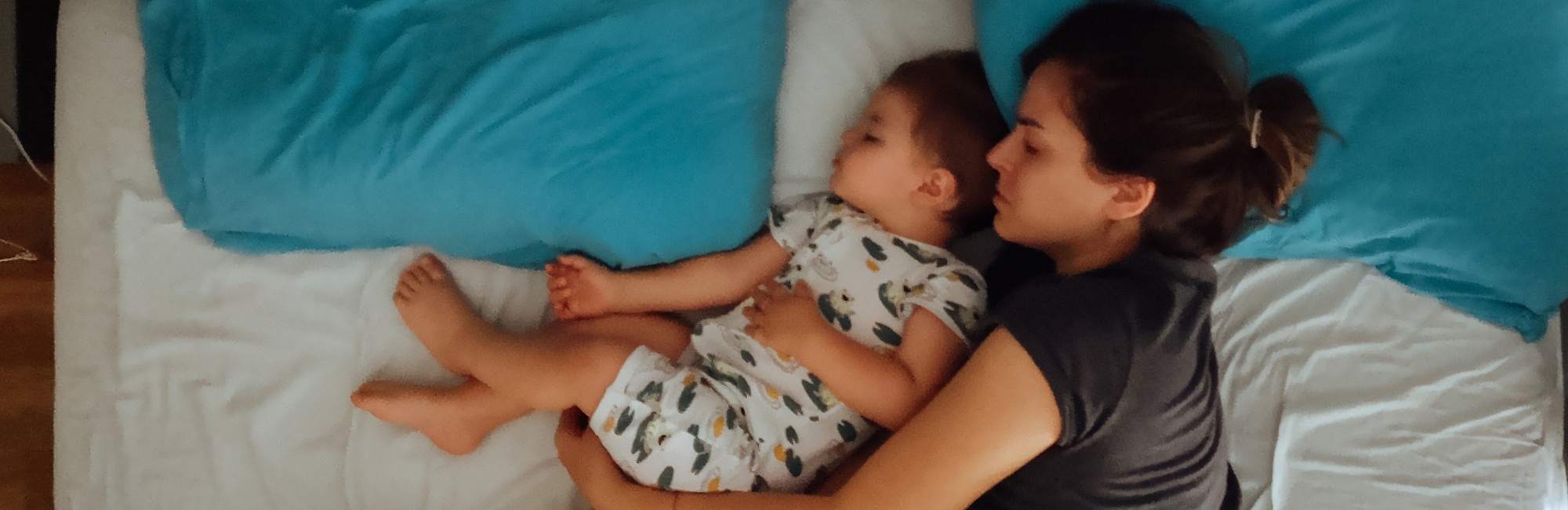
mother sleeping on her side with child

It could be that you are an autonomous parent. It could be that your partner is away regularly for paid work. Or for whatever reason you're a parent or a carer who finds yourself alone with your toddler most nights. Regardless, if you are doing nights with a toddler on your own I'd like to suggest that you first look at the page on managing evenings with your toddler when you don't have help here.

Here are other ideas for managing nights when it's just you and your toddler. Our plan is to make the nights just as easy as possible, which means keeping your toddler as dialled down as possible, and making sure that her sleep pressure and body clock are in sync with yours. If you're doing nights on your own, it's particularly important to avoid excessive night waking, or to repair excessive night waking quickly, by doing a reset, if it arises.

  • Consider bringing your toddler into your bed. Many parents find that sharing the bed makes nights easier, especially if you don't have help. Excessive night waking is not caused by bedsharing.

  • Anyone who is caring for a small child alone at nights needs to become a self-compassion ninja! You can find out about this here.

  • Knowing how to manage difficult thoughts and feelings helps build your resilience when you are exhausted and yet don't have back-up or support in the night.

  • Caring for your toddler is about workability, not perfection. Compromise around a whole lot of things may become necessary, so that you get through. Caring for yourself is caring for your toddler.

  • If you are in a toddler sleep emergency, please go to the It's an emergency section, starting here. Also, if you are in a sleep emergency, please have a chat with your local GP.

Finished

share this article

Next up in When your toddler wakes

When you're in a sleep emergency and lying awake even though your toddler is asleep

worried woman

These six topics in the It's an emergency section of The Possums Sleep Program are a place to start if you're in a toddler sleep crisis. To really turn things around over the next couple of weeks, so that the days and nights are as enjoyable as possible, and you're no longer so utterly exhausted and sleep-deprived, please go to the whole of The Possums Toddler Sleep Program, starting here. Or you might like to go to the Brief & simple version first, starting here.

It's awful to find yourself lying awake in the night, desperate for sleep, knowing your toddler might…

Keep reading
logo‑possums

Possums in your inbox

Evidence-based insights, tips, and tools. Occasional updates.

For parents

parents homebrowse all programsfind answers nowprograms in audiogroup sessions with dr pam

For professionals

possums for professionals
(the ndc institute)
guest speakers

About

the science behind possums/ndcwho we arendc research publicationsdr pam’s books

More resources

free resourcesdr pam’s blog

Clinical consultation

consult with dr pamfind a possums clinicfind an ndc accredited practitioner

Help & support

contact usfaqour social enterpriseprivacy policyterms & conditions

Social

instagramlinked infacebook

Possums acknowledges the traditional owners of the lands upon which The Possums Programs have been created, the Yuggera and Turrbal Peoples. We acknowledge that First Nations have breastfed, slept with, and lovingly raised their children on Australian lands for at least 65,000 years, to become the oldest continuous living culture on Earth. Possums stands with the Uluru Statement from the Heart.