Logo - The Possums baby and toddler sleep program.
parents home
librarybrowse all programsfind answers nowaudioprograms in audiogroup sessionsgroup sessions with dr pam
menu icon NDC Institute
possums for professionals
(the ndc institute)
menu icon eventsguest speakers
menu icon the sciencethe science behind possums/ndcmenu icon who we arewho we aremenu icon evidence basendc research publicationsmenu icon dr pam's booksdr pam's books
menu icon free resourcesfree resourcesmenu icon dr pam's blogdr pam's blog
menu icon consult with dr pamconsult with dr pammenu icon consult with dr pamfind a possums clinicmenu icon find a NDC accredited practitionerfind an ndc accredited practitioner
login-iconlogin

Welcome back!

Forgot password
get access
search

Search programs

Toddler Sleep (12-36 months) icon

Toddler Sleep
(12-36 months)


  • Plan enjoyable days outside the home to help with toddler sleep
  • It's ok to wake a sleeping toddler
  • Outdoor play is good for toddlers and good for sleep
  • Go for lots of walks when you're caring for a baby or toddler
  • Get creative about physical activity (outside the house) when you're caring for a toddler
  • Spend as much time in green or blue spaces as possible when you're caring for a baby or toddler
  • Is the saying "there's no such thing as bad weather, only bad clothing" true for babies and toddlers?

Listen to audio program

Next article

Sign up now
  • Toddler Sleep (12-36 months)
  • S2: Daytimes
  • CH 2: Making changes
  • PT 2.2: Meeting your toddler's sensory motor needs

It's ok to wake a sleeping toddler

Dr Pamela Douglas16th of Sep 202323rd of May 2024

dark skinned baby with rastafari bracelet gently sleeping

It's perfectly ok to wake a sleeping toddler. It's also best not be quiet around your toddler, either, when she is sleeping!

You can trust your small child's sleep regulators, her body clock and sleep pressure, to take the sleep she needs. If your toddler really needs to sleep, she'll stay asleep as you lift her up out of the stroller or car seat or cot, for the next activity you have planned.

If she wakes and cries, and she is breastfed, then you might offer a little feed to help dial her down. Or you might just think sensory motor nourishment. On with the day!

You can let sleep look after itself in the midst of a day that you enjoy, spent outside your home as much as possible, since our interior environments are so low in sensory interest for little children. This makes sure that your toddler's body clock is set in a way that keeps the Big Sleep for night-time.

Do you have other children in your care? Then you know how it is: school drop-off, soccer practice, play-dates, music class, kindy fundraisers - your toddler has to fit in with your busy life caring for his older siblings. And he does. He takes sleep during the day without you having to try, just whenever his sleep pressure is high enough. He takes sleep on the go, in the midst of the rich and changing sensory motor nourishment that comes with being by your side, as you and his siblings enjoy the outside world.
Finished

share this article

Next up in Meeting your toddler's sensory motor needs

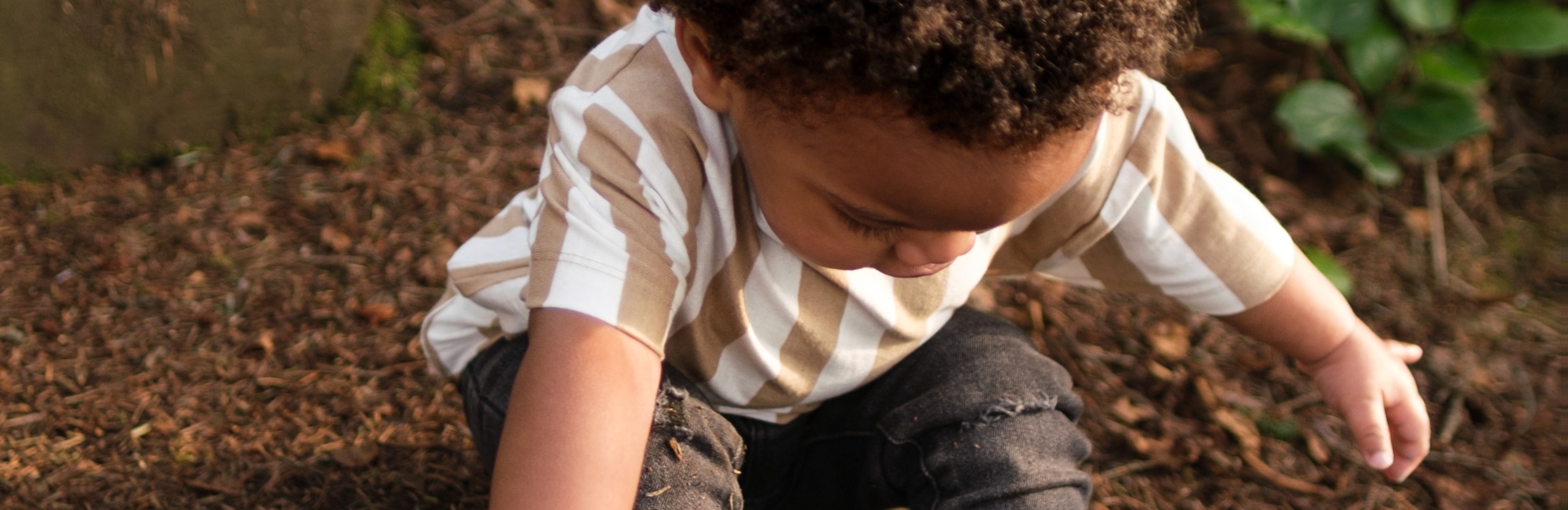
Outdoor play is good for toddlers and good for sleep

toddler plays outside

Your toddler's extraordinarily mouldable little brain will develop best with lots of opportunities for outdoor play, every day or most days. Toddlers love to be in outdoor spaces because it meets their powerful biological drive for rich and diverse sensory motor nourishment. Playing outside dials your toddler down, so that both sleep and life together in general are easier and more enjoyable.

Spending time in green or blue spaces (that is, in natural environments) is also very good for you, as the primary carer of a baby or toddler. You can find out about this here.

What things does…

Keep reading
logo‑possums

Possums in your inbox

Evidence-based insights, tips, and tools. Occasional updates.

For parents

parents homebrowse all programsfind answers nowprograms in audiogroup sessions with dr pam

For professionals

possums for professionals
(the ndc institute)
guest speakers

About

the science behind possums/ndcwho we arendc research publicationsdr pam’s books

More resources

free resourcesdr pam’s blog

Clinical consultation

consult with dr pamfind a possums clinicfind an ndc accredited practitioner

Help & support

contact usfaqour social enterpriseprivacy policyterms & conditions

Social

instagramlinked infacebook

Possums acknowledges the traditional owners of the lands upon which The Possums Programs have been created, the Yuggera and Turrbal Peoples. We acknowledge that First Nations have breastfed, slept with, and lovingly raised their children on Australian lands for at least 65,000 years, to become the oldest continuous living culture on Earth. Possums stands with the Uluru Statement from the Heart.