Logo - The Possums baby and toddler sleep program.
parents home
librarybrowse all programsfind answers nowaudioprograms in audiogroup sessionsgroup sessions with dr pam
menu icon NDC Institute
possums for professionals
(the ndc institute)
menu icon eventsguest speakers
menu icon the sciencethe science behind possums/ndcmenu icon who we arewho we aremenu icon evidence basendc research publicationsmenu icon dr pam's booksdr pam's books
menu icon free resourcesfree resourcesmenu icon dr pam's blogdr pam's blog
menu icon consult with dr pamconsult with dr pammenu icon consult with dr pamfind a possums clinicmenu icon find a NDC accredited practitionerfind an ndc accredited practitioner
login-iconlogin

Welcome back!

Forgot password
get access
search

Search programs

Toddler Sleep (12-36 months) icon

Toddler Sleep
(12-36 months)


  • How to make the days work when you have a low sleep need toddler?
  • Do toddlers become overtired and overstimulated?
  • What to do if your toddler only sleeps in the carrier or when being held?
  • Will 'capping' naps help with sleep problems when you have a toddler?
  • Why won't your toddler go down to sleep during the day?
  • Is it best to sleep your toddler in a cot during the day?
  • What to do about toddler sleep when you have an older child or other children who need your attention?
  • How can you get the best out of mothers' groups or parents' groups when you have toddler sleep problems?
  • What to do about naps when your toddler is in childcare?
  • What to do about daytime sleeps when you're weaning your toddler from the breast?

Listen to audio program

Next article

Sign up now
  • Toddler Sleep (12-36 months)
  • S2: Daytimes
  • CH 3: FAQs

Why won't your toddler go down to sleep during the day?
Dr Pamela Douglas17th of Sep 202323rd of May 2024

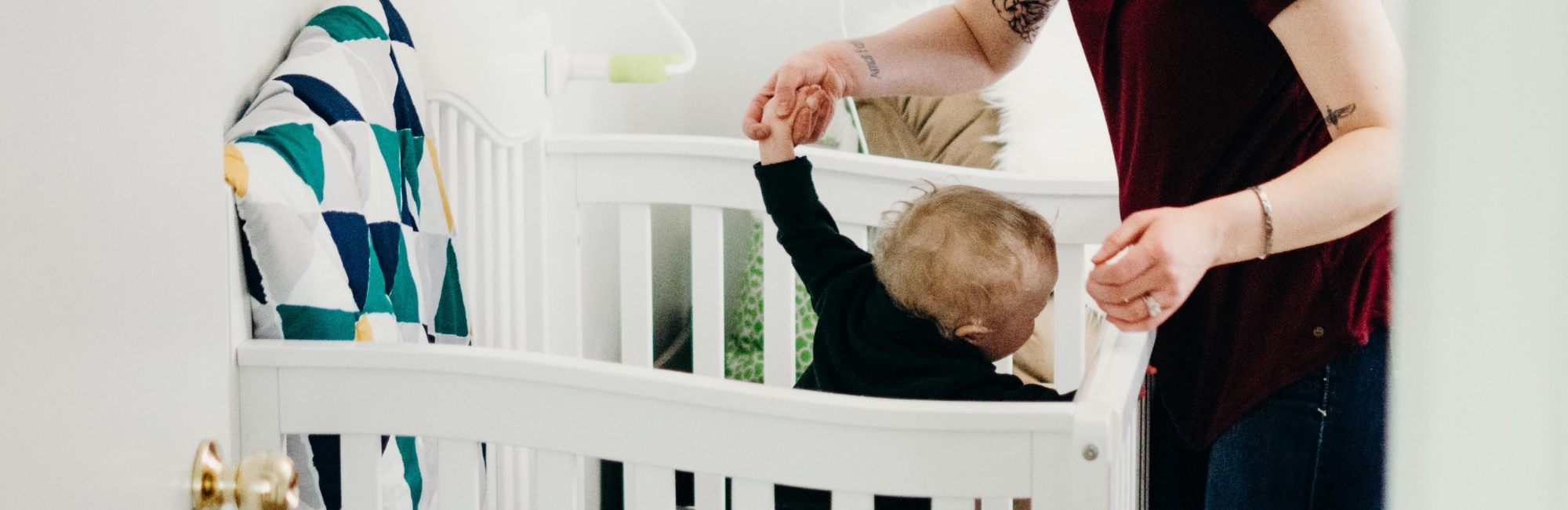
mother plays with toddler in cot during daytime

Here are the reasons why your toddler won't go down to sleep during the day.

  1. His sleep pressure isn’t high enough yet.

  2. He is dialled up and needs to be dialled down, either with

    • Milk, depending on his age and whether or not you're breastfeeding, or with

    • A change of sensory motor experience.

Women or primary carers find the days are easiest when they experiment with taking off the sleep lens, and putting on the sensory motor nourishment lens. Rich and diverse sensory motor experience, most easily achieved outside the low sensory interior of the home, keeps your toddler dialled down until the sleep pressure is high and sleep happens without effort on your part.

Many parents find cots no longer work for toddlers. You can find out more here.

You're toddler isn't having trouble taking a daytime nap because he

  • Is resisting sleep. Little people have a powerful biological hunger for rich sensory motor nourishment, and low sensory interior environments make them dial up - which also makes sleep much harder than it needs to be. You can find out more here.

  • Has gut pain. You can find out more here.

Finished

share this article

Next up in FAQs

Is it best to sleep your toddler in a cot during the day?

toddler awake in cot

If your toddler is happy to go down for a nap in a cot during the day, then we don't need to make any changes! But many or even most families find their toddler doesn't like the cot.

Because your toddler has a powerful biological drive for rich and diverse sensory motor exploration, she will often dial up in response to the restraints imposed by a cot. This is not a sign that she is overtired or overstimulated, though you might hear that said. You can find out more here.

Many parents have heard that their small child needs to sleep in…

Keep reading
logo‑possums

Possums in your inbox

Evidence-based insights, tips, and tools. Occasional updates.

For parents

parents homebrowse all programsfind answers nowprograms in audiogroup sessions with dr pam

For professionals

possums for professionals
(the ndc institute)
guest speakers

About

the science behind possums/ndcwho we arendc research publicationsdr pam’s books

More resources

free resourcesdr pam’s blog

Clinical consultation

consult with dr pamfind a possums clinicfind an ndc accredited practitioner

Help & support

contact usfaqour social enterpriseprivacy policyterms & conditions

Social

instagramlinked infacebook

Possums acknowledges the traditional owners of the lands upon which The Possums Programs have been created, the Yuggera and Turrbal Peoples. We acknowledge that First Nations have breastfed, slept with, and lovingly raised their children on Australian lands for at least 65,000 years, to become the oldest continuous living culture on Earth. Possums stands with the Uluru Statement from the Heart.