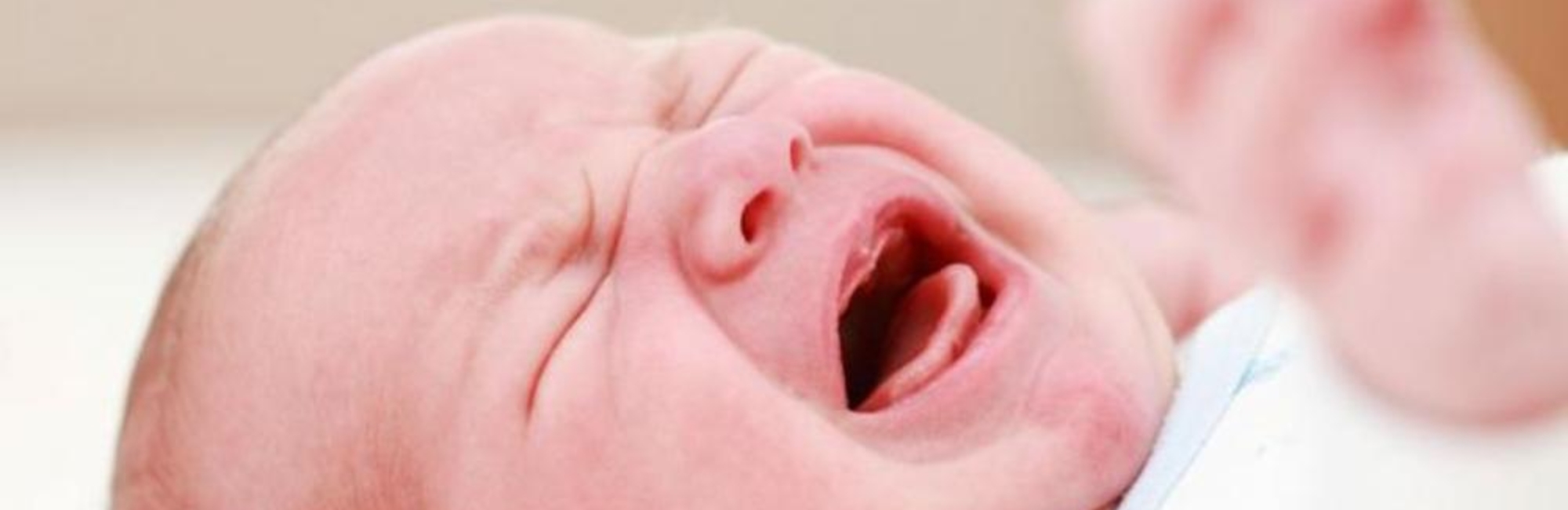
The human nervous system is the most mouldable of all primate nervous systems at birth and has specific sensory motor needs as a result

The unique sensory motor evolutionary needs of the young Homo sapiens brain
The Homo sapiens infant is unique amongst primates, mammals, and all other animals because at the time of birth she still has a stunning amount of neurological development ahead of her. Expression of the human baby's genetic predispositions and the laying down of neurological pathways are much more dependent on context (social interaction, interaction with the environment), than any other primate or mammal.
A great synaptic flourishing is called forth over the weeks and months after birth, by the rich and diverse sensory motor stimulation which pours into her from the world she now inhabits. This kaleidoscopic feast is infinitely richer than her sensory and motor experiences inside the womb. Language, culture, and society pour into her body.
This rich and diverse sensory motor nourishment is, from an evolutionary point of view, what her brain requires and expects. We don't need to be afraid of overstimulation, of exposing our babies to healthy, complex environmental stimulation - in fact, they'll soon dial up if they don't receive as much sensory motor stimulation as their brain and body needs!
-
You can find out about the dial on a baby's sympathetic nervous system here.
-
You can find out your baby's sensory motor needs here.
-
You can find out how to support the flourishing of your baby or toddler's brain here.
Busting myth #1: human babies aren't born extremely neuroplastic because we are born 'early' relative to other primates
It was once thought that our newborns arrived 'early', relative to other primates. However, the latest research in evolutionary biology tells us that
-
Humans have relatively long pregnancies relative to other primates (that is, the human doesn't arrive 'early'!)
-
Compared to other baby primates, humans are born relatively small-brained relative to the full brain size in adulthood.
-
Humans are born with a large body relative to other primates at birth, and have the largest brain of all baby primates at birth.
Busting myth #2: human babies aren't born extremely neuroplastic because our brain and head need to fit through the mother's pelvis
It was once thought that our newborns arrived less developed relative to other primates so that the baby's relatively large brain could fit through a woman's pelvis. Now it is understood that our babies are born at a threshold in human development beyond which the maternal body can't meet the baby's metabolic and energetic needs.
That's why human babies are born stunningly neuroplastic, ready to be moulded from the moment of birth by the rivers of sensory motor experiences flowing in and washing around our little one's bodies. This exquisite neuroplasticity is known by scientists as the human's unique neoteny. For other primates, 'fixed action patterns' dominate from early in life. But the human is uniquely characterised by a stunning neuroplasticity, most prominent in the first year of life but continuing life-long, relative to other species, so that we are shaped more by environment and learning than by inherited behaviour and genetic code.
Our extraordinary neuroplasticity from birth is what makes us human, so profoundly shaped by radically diverse cultures, societies, and languages. This is why, in the 21st century, we have reached a moment in the development of evolution in which we humans are connected together by vast global networks of communication. Our breathtaking neuroplasticity from birth is why we have the intelligence, technologies, and mastery of our environments to have become the planet's superspecies.
These biological quirks have given the human an extraordinary evolutionary edge relative to all other species on our planet. In a certain sense, this evolutionary edge of the human has brought us to our moment in history when the fate of the entire biosphere and all other living creatures has broken free of the constraints of evolutionary natural selection, and is now in the hands of the humans. (Whether we will use our neuroplastic brilliance for the good of all our creatures and the Earth, or for planetary destruction, remains the great question of our times.)
We live in a moment of great crisis, and of great promise. Understanding the nature of our humanness including the importance of the exquisitely neuroplastic first year of human life is, in my view, an vital part of the powerfully creative healing response which I believe is being called forth by our times, from each of us in our own way.
-
You can find out about the gestalt method, which is evolutionary bodywork for breastfeeding mothers and their babies, here.
-
You can find out about the NDC evolutionary perspective on baby motor development, positional plagiocephaly, and sleep here.
-
You can find out how the Possums evolutionary bodywork principles in infant care more generally protects your baby's motor development here.
Selected references
Douglas PS. Pre-emptive intervention for Autism Spectrum Disorder: theoretical foundations and clinical translation. Frontiers in Integrative Neuroscience. 2019;13(66):doi.org/10.3389/fnint.2019.00066.
Dunsworth HM, Warrener AG, Deacon T, Ellison PT, Pontzer H. Metabolic hypothesis for human altriciality. Proceedings of the National Academy of Science in the USA. 2011;109:15212–15216, doi: 15210.11073/pnas.1205282109.
Dunsworth HM. There is no 'obstetrical dilemma': towards a braver medicine with fewer childbirth interventions. Perspectives in Biology and Medicine. 2018;61(2):249-263.
Dunsworth, HM. “Thank your intelligent mother for your big brain.” 2016: PNAS USA 113(25): 6816–6818.
Rosenberg KR. The evolution of human infancy: why it helps to be helpless. Annual Review of Anthropology. 2021;50:423-440.
Swimme, Brian. Canticle to the Cosmos, 1990.