Logo - The Possums baby and toddler sleep program.
parents home
librarybrowse all programsfind answers nowaudioprograms in audiogroup sessionsgroup sessions with dr pam
menu icon NDC Institute
possums for professionals
(the ndc institute)
menu icon eventsguest speakers
menu icon the sciencethe science behind possums/ndcmenu icon who we arewho we aremenu icon evidence basendc research publicationsmenu icon dr pam's booksdr pam's books
menu icon free resourcesfree resourcesmenu icon dr pam's blogdr pam's blog
menu icon consult with dr pamconsult with dr pammenu icon consult with dr pamfind a possums clinicmenu icon find a NDC accredited practitionerfind an ndc accredited practitioner
login-iconlogin

Welcome back!

Forgot password
get access
search

Search programs

When Baby Cries a Lot icon

When Baby Cries a Lot


  • Useful things to know if you bottle feed your baby
  • About paced bottle feeding
  • Your baby's position when bottle feeding
  • Following your baby's cues for bottle feeds
  • Building a positive relationship with food through paced bottle feeding
  • When does your baby have a conditioned dialling up with the bottle and what to do about it?

Next article

Sign up now
  • When Baby Cries a Lot
  • S3: #2. Does your baby have a problem with feeds?
  • CH 3: Bottle feeds

Building a positive relationship with food through paced bottle feeding
Dr Pamela Douglas22nd of Sep 20232nd of Jan 2026

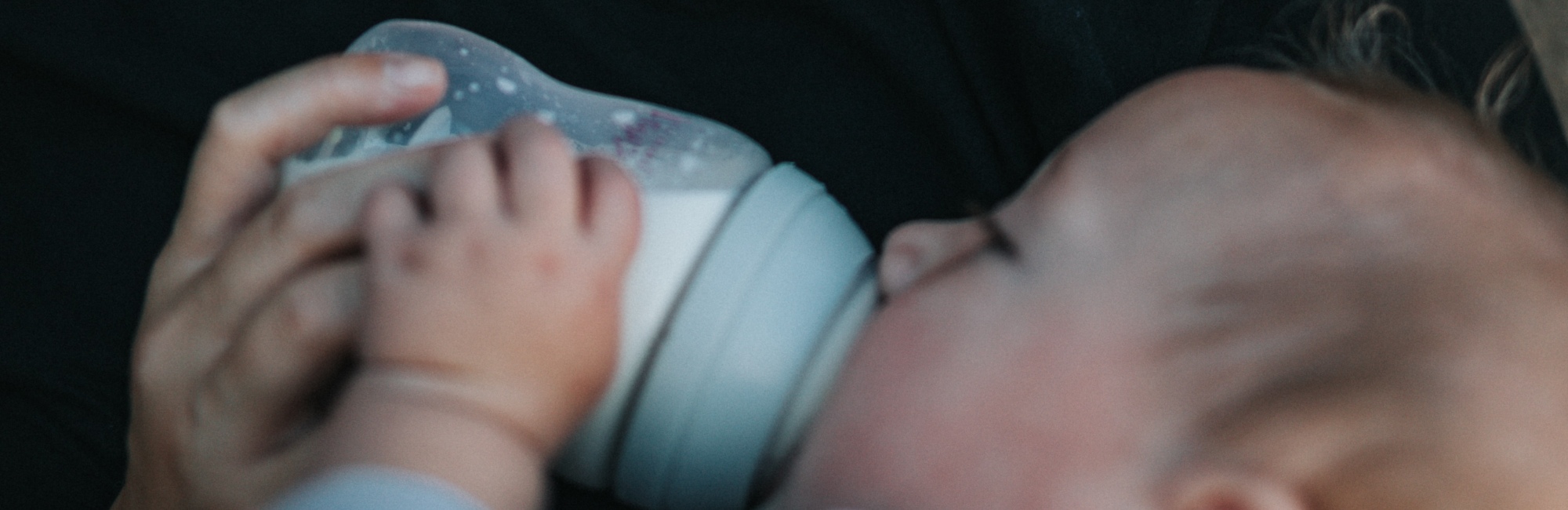
baby happily feeding from bottle

While it is tempting to ‘encourage’ your baby to finish a bottle, it's more important to follow their cues. You want your baby's appetite to regulate how much they take. To avoid waste, you may like to offer smaller volumes at the start and top up if your baby is looking for more.

It’s also important, when you can, to make bottle feeding a time when you are available to interact with and enjoy your baby. This is the beginning of your baby’s life-long healthy relationship with food, so mealtimes are never about being pressured to eat, but are about social connection, feeling satisfied, and enjoyment.

Read more articles about how to do paced bottle feeding

Useful things to know if you bottle feed your baby

About paced bottle feeding

Your baby's position when bottle feeding

Following your baby's cues for bottle feeds

When does your baby have a conditioned dialling up with the bottle and what to do about it?

Acknowledgements

These pages on bottle feeding in the Brief & simple summary of When baby cries a lot were co-written with Renee Keogh RN IBCLC, Founding NDC Educator.

I'm grateful to Professor Sophie Havighurst, Ros June, and Caroline Ma at Mindful, The University of Melbourne, for their feedback on the articles and videos in When baby cries a lot in the first few months of life. They helped me keep the language plain and the concepts as accessible as possible, for this brief and simple version of the Possums 5-domain approach to the crying baby.

Finished

share this article

Next up in Bottle feeds

When does your baby have a conditioned dialling up with the bottle and what to do about it?

baby looks upset as it feeds from bottle

What is meant by conditioned dialling up with the bottle?

Conditioned dialling up at the bottle is a common but distressing problem. By ‘conditioned’, this means a habit which has developed over time. By dialling up, I’m referring to the dial on the baby’s sympathetic nervous system.

A baby has a conditioned dialling up at the bottle when they repeatedly begin to fuss, or become agitated, either when starting to have a bottle or during the feed. The baby quickly signals distress in response to small or invisible frustrations.

The baby reacts like this, not because they don’t like to feed, but because they have such…

Keep reading
logo‑possums

Possums in your inbox

Evidence-based insights, tips, and tools. Occasional updates.

For parents

parents homebrowse all programsfind answers nowprograms in audiogroup sessions with dr pam

For professionals

possums for professionals
(the ndc institute)
guest speakers

About

the science behind possums/ndcwho we arendc research publicationsdr pam’s books

More resources

free resourcesdr pam’s blog

Clinical consultation

consult with dr pamfind a possums clinicfind an ndc accredited practitioner

Help & support

contact usfaqour social enterpriseprivacy policyterms & conditions

Social

instagramlinked infacebook

Possums acknowledges the traditional owners of the lands upon which The Possums Programs have been created, the Yuggera and Turrbal Peoples. We acknowledge that First Nations have breastfed, slept with, and lovingly raised their children on Australian lands for at least 65,000 years, to become the oldest continuous living culture on Earth. Possums stands with the Uluru Statement from the Heart.