Things that can wrong with nipple shield use including lego brick nipple

There are some mother-baby pairs who find that nipple shields don't work
There are some women for whom nipple shields don't work, and who might even find nipple shields make pain and damage worse. This can be due to a combination of factors. Before abandoning the effort though, just make sure that you're using the shield properly and using the gestalt method once baby is on (including micromovements).
Here are things that can go wrong.
The walls of the nipple shield cup collapse in and obstruct milk flow
Often, to get a comfortably spacious fit around the base of a woman's nipple, there will be a lot of space between the face of her nipple and the top of the nipple shield cup. This means that the walls of the nipple shield cup can collapse in, and obstruct milk flow. This doesn't mean that the shield won't help. It does mean that the gestalt method needs to be applied carefully, with experimental micromovements so that the vacuum of the baby's suck quickly draws up the nipple and breast tissue into the cup, opening it up so that the milk flows through the holes and into baby's mouth and tummy.
Sometimes though, for some women, this problem simply can't be overcome.
Certain kinds of normal anatomic diversity can mean that a nipple shield doesn't work
There are some women whose individual combination of nipple size, shape and elasticity means that nipple shields don’t work for them, or worsen damage. Here are examples of normal anatomical variation which may mean that nipple shields don't work. We only find this out with experimentation.
-
A woman with a breast that is at the upper end of the spectrum of tissue elasticity might find that the shield buries too deeply into her breast, making it even more difficult for the baby to come on and draw up nipple and breast tissue.
-
A woman with a nipple which is either at the upper end of the spectrum of nipple width, or at the upper end of nipple elasticity, might find that even with the largest possible size there's not enough room in the shield for her nipple to expand during breastfeeding.
-
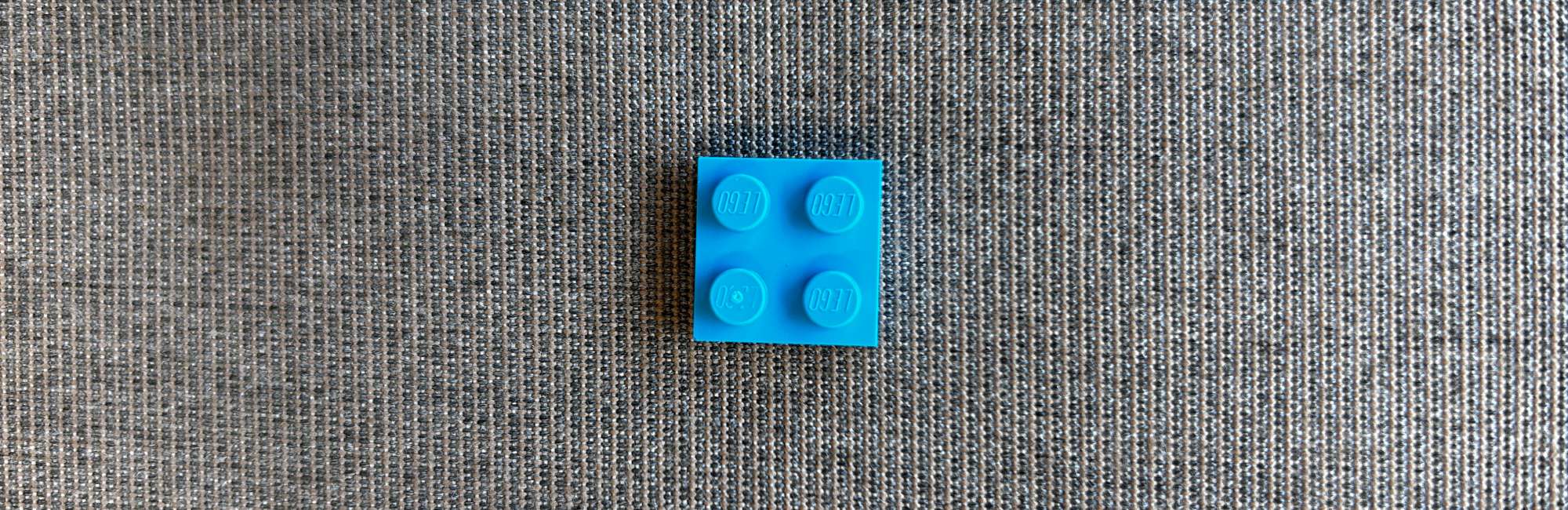
A woman with a nipple which is at the upper end of the spectrum of nipple height might find that the face of her nipple is drawn painfully up against the holes at the top of the shield's silicone cup. This can result in four round raised lumps visible on the face of her nipple after breastfeeding - and usually a lot of pain with breastfeeding! This is what we call a 'lego brick' nipple, in the Possums or NDC programs.
A case study about 'lego brick' nipple
A case study like this was published by researcher, midwife, and IBCLC Dr Sharon Perella from the Human Lactation Research Group. Dr Perella measured the pressure inside a baby's mouth. This baby's mother had nipple pain and experienced four points of swelling on the face of her nipple, corresponding with the four holes in the nipple shield.
To my mind, the high vacuum Dr Perrella measured in that baby's mouth was baby reflexly compensating for difficulty transferring milk, due to obstruction of the milk ducts when the face of the nipple is suctioned up through the holes. That is, the high vacuum was not the cause, but a result. In this situation, a woman can’t use the nipple shield, due to the damage inflicted by lego nipple.
Selected references
Chow S, Chow R, Popovic M, et al. The use of nipple shields: a review. Frontiers in Public Health 2015;3:doi:10.3389/fpubh.2015.00236.
Coentro VS, Perrella SL, Lai CT, et al. Nipple shield use does not impact sucking dynamics in breastfeeding infants of mothers with nipple pain. European Journal of Pediatrics 2021;180:1537-43.
Coentro VS, Perrella SL, Lai CT. Effect of nipple shield use on milk removal: a mechanistic study. BMC Pregnancy and Childbirth. 2020;20:516.
Geddes DT, Gridneva Z, Perrella SL, et al. 25 years of research in human lactation: from discovery to translation. Nutrients 2021;13:1307.
Perrella SL, Lai CT, Geddes DT. Case report of nipple shield trauma associated with breastfeeding an infant with high intra-oral vacuum. BMC Pregnancy and Childbirth. 2015;15:155.