Logo - The Possums baby and toddler sleep program.
parents home
librarybrowse all programsfind answers nowaudioprograms in audiogroup sessionsgroup sessions with dr pam
menu icon NDC Institute
possums for professionals
(the ndc institute)
menu icon eventsguest speakers
menu icon the sciencethe science behind possums/ndcmenu icon who we arewho we aremenu icon evidence basendc research publicationsmenu icon dr pam's booksdr pam's books
menu icon free resourcesfree resourcesmenu icon dr pam's blogdr pam's blog
menu icon consult with dr pamconsult with dr pammenu icon consult with dr pamfind a possums clinicmenu icon find a NDC accredited practitionerfind an ndc accredited practitioner
login-iconlogin

Welcome back!

Forgot password
get access
search

Search programs

PBL Advanced icon

PBL Advanced


  • Why advice to NOT change patterns of breastfeeding when a woman has mastitis risks worsened outcomes
  • Probiotics (including Qiara) don't help prevent or treat breast inflammation
  • Why advice to cease attempts at milk removal when engorgement is severe risks worsened outcomes
  • Why Therapeutic Breast Massage in Lactation and Manual Lymphatic Drainage don't help breast inflammation (including engorgement, blocked ducts, or mastitis)
  • Chin positioning, 'dangle' breastfeeding, and trying to drain the breast by long breastfeeds or pumping don't help and may impact negatively on breastfeeding
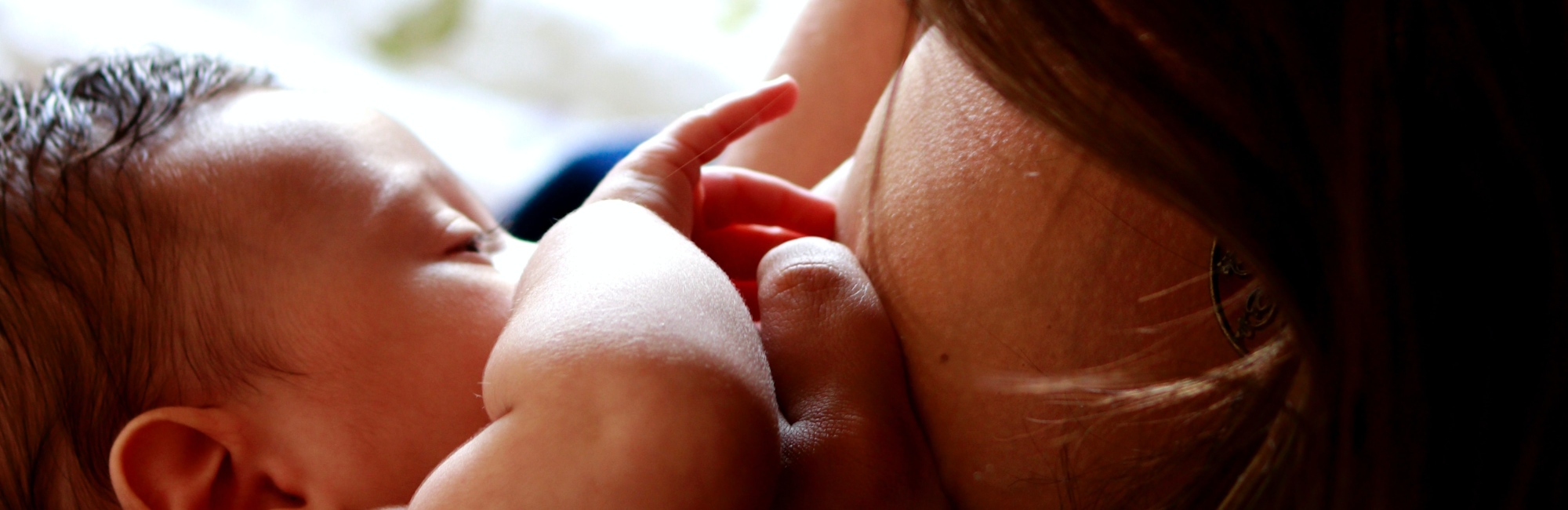
  • There is no evidence or physiological rationale to support the use of lecithin, therapeutic ultrasound, cold compresses, cabbage leaves or epsom salts for breast inflammation

Next article

Sign up now
  • PBL Advanced
  • S8: Lactation-related breast inflammation
  • CH 9: How to avoid overdiagnoses and unhelpful treatments when managing breast inflammation
  • PT 9.2: What doesn't help lactation-related breast inflammation

Chin positioning, 'dangle' breastfeeding, and trying to drain the breast by long breastfeeds or pumping don't help and may impact negatively on breastfeeding

Dr Pamela Douglas10th of Aug 202413th of Aug 2024

x

‘Drainage’ of breastmilk by the infant

Proposed mechanism

It's argued that the suction of 'draining' the breast clears the blocked ducts that have caused mastitis.

Evidence

Long periods at the one breast, also often associated with feed spacing, may reduce frequency of ductal dilations and limit milk removal, causing decreased milk supply.

Hand express or pump after breastfeeds

Proposed mechanism

Hand expressing or pumping after breastfeeds when a woman has breast inflammation has been said to ‘drain’ breast and release any blockage.

Evidence

However, this practice risks increasing a woman's supply above her infant's need, which increases the risk of high intraluminal pressures and inflammation.

Breast inflammation does not result from duct blockages.

Dangle feed or position the infant so chin or nose points to the area of inflammation or blockage

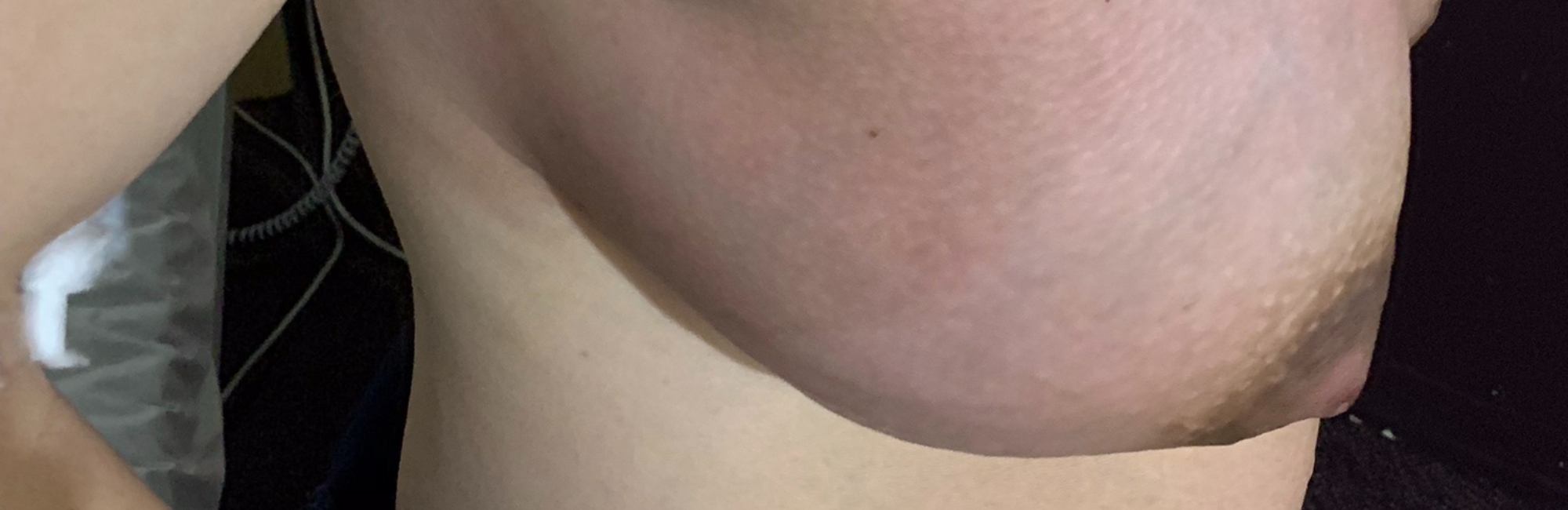
The advice that a woman positions her body so that her breast falls down from above into the infant's mouth, or that she tries to position the infant's chin over the area of inflammation, are

  • Not evidence-based

  • Lack a physiological rationale, and

  • May cause breast tissue drag, worsening breast inflammation.
Finished

share this article

Next up in What doesn't help lactation-related breast inflammation

There is no evidence or physiological rationale to support the use of lecithin, therapeutic ultrasound, cold compresses, cabbage leaves or epsom salts for breast inflammation

breast inflammation; lactation; breastfeeding; mastitis

Lecithin

Powdered organic sunflower lecithin is often recommended for lactating women who have breast inflammation. The recommended dose may be

  • 1200 mg 3-4 times daily

  • 5-10 gms daily

  • 10 gm daily for severe white spots (Mitchell & Johnson 2020)

Proposed mechanism

The Academy of Breastfeeding Medicine Clinical Protocol #36 'The mastitis spectrum' advises clinicians that: “Sunflower or soy lecithin 5-10 gm daily by mouth may be taken to reduce inflammation in ducts and emulsify milk.” (no citation). Although this protocol does not offer mechanisms, elsewhere lecithin is said to emulsify the fats in breast milk, which are proposed to cause sticky milk and blocked ducts.

…
Keep reading
logo‑possums

Possums in your inbox

Evidence-based insights, tips, and tools. Occasional updates.

For parents

parents homebrowse all programsfind answers nowprograms in audiogroup sessions with dr pam

For professionals

possums for professionals
(the ndc institute)
guest speakers

About

the science behind possums/ndcwho we arendc research publicationsdr pam’s books

More resources

free resourcesdr pam’s blog

Clinical consultation

consult with dr pamfind a possums clinicfind an ndc accredited practitioner

Help & support

contact usfaqour social enterpriseprivacy policyterms & conditions

Social

instagramlinked infacebook

Possums acknowledges the traditional owners of the lands upon which The Possums Programs have been created, the Yuggera and Turrbal Peoples. We acknowledge that First Nations have breastfed, slept with, and lovingly raised their children on Australian lands for at least 65,000 years, to become the oldest continuous living culture on Earth. Possums stands with the Uluru Statement from the Heart.