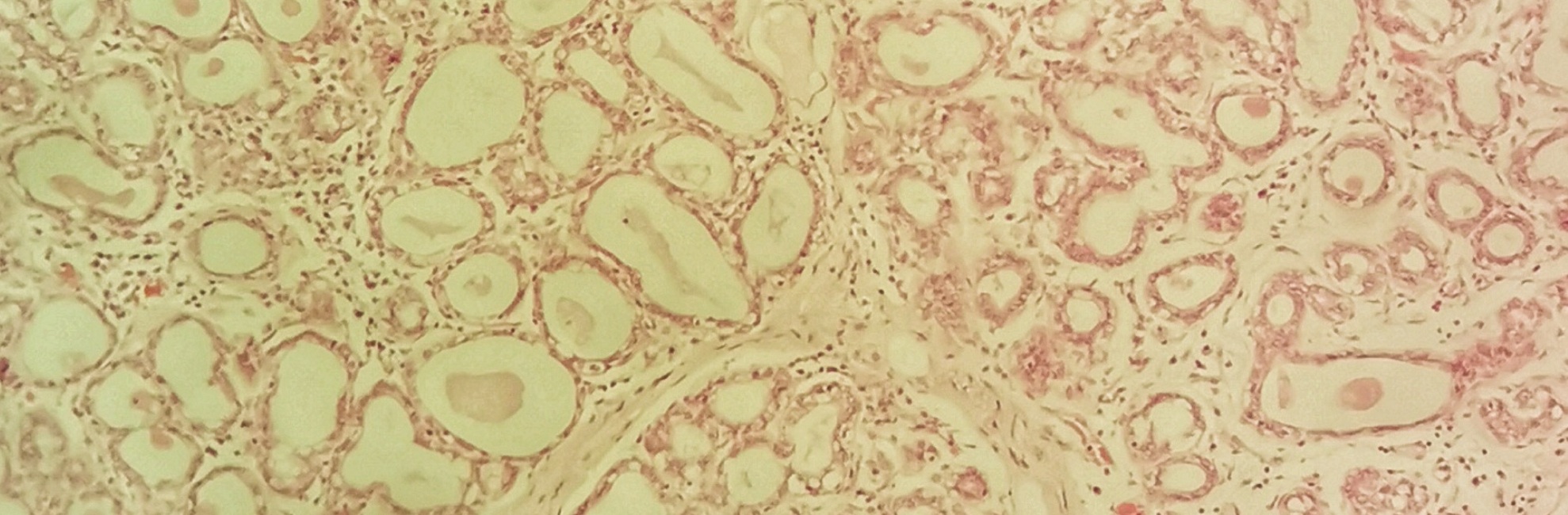
How suckling forces activate signaling pathways in mammary epithelial cells, altering milk protein secretion: studies which corroborate the NDC mechanobiological model of milk regulation

Mechanical forces in lactation
While most lactation research emphasizes hormonal regulation (prolactin, oxytocin), there is a growing field of research suggesting that mechanical forces may also influence epithelial cell function and milk secretion. I've drawn from this research, and from clinical experience to develop the NDC mechanobiological model of the regulation of milk production.
In many tissues (e.g., bone, cartilage, blood vessels), mechanical forces are known to activate cellular signaling pathways (e.g., mechanosensitive ion channels, integrins, cytoskeletal remodeling). These pathways regulate processes like protein synthesis, secretion, and tissue remodeling.
During lactation, mammary epithelial cells (lactocytes) are repeatedly subjected to mechanical stress from
-
Infant suckling (external suction).
-
Intraductal and intra-alveolar pressures from milk accumulation and ejection.
The breast in general is also exposed to macroscopic external pressures, which may compress the ducts. The nipple is exposed to mechanical pressures, which may damage the epithelium and nipple stroma.
Stewart et al., 2021 “Mammary mechanobiology – investigating roles for mechanically activated ion channels in lactation and involution”
-
These authors describe the “force landscape” in the mature mammary gland and show that both luminal (milk-producing) and basal (milk-ejecting) epithelial cells experience mechanical forces during lactation.
-
They found increased expression of Piezo1, a mechanically activated ion channel, in the mammary epithelium during lactation. Luminal cells show functional expression of Piezo1.
-
However, deleting Piezo1 in luminal cells did not abolish lactation or involution, which suggests multiple mechanosensory pathways.
Kobayashi et al., 2023 “Effects of hydrostatic compression on milk production-related signaling”
-
This study shows that accumulation of milk (i.e. hydrostatic compression in alveolar lumen) leads to downregulation of milk production in mammary epithelial cells).
-
The authors propose that mechanical pressure (from “too much milk”/“stasis”) can feed back to reduce secretion, consistent with a mechanobiological regulation of function.
Quaglino et al 2009 “Mechanical strain induces involution-associated events in mammary epithelial cells” (HC11 mammary epithelial cell line)
-
In cultured mouse mammary epithelial cells, application of radial stretching caused activation of signaling pathways like ERK1/2, increased expression of c-Fos, induced Leukemia Inhibitory Factor (LIF), STAT3 activation, and inhibition of AKT phosphorylation. These are events associated with involution (the process after weaning when milk production stops and tissue remodels).
-
This suggests mechanical stretching (from milk accumulation after suckling stops) can start the involution process.
Paavolainen et al 2021 “Integrin-mediated adhesion and mechanosensing in the mammary gland”
- Integrins and associated molecules (e.g., FAK, ILK) are involved in linking mammary epithelial cells to the extracellular matrix, transmitting mechanical cues. One of the findings is that integrin-linked kinase (ILK) in luminal epithelium mediates aspects of milk production in mouse models.
These studies corroborate the NDC mechanobiological model of regulation of milk production
These studies above show varying kinds of mechanical stimuli (stretch, pressure, compression) can lead to changes in gene expression and functional shifts (e.g. reduced secretion or triggering involution) in MECs.
-
The research shows that mechanical forces (pressure, stretch, compression) in the mammary gland can alter signaling pathways within mammary epithelial cells.
-
Specific molecular players involved include Piezo1 channels, integrins.
-
These signals can influence milk secretion (in some contexts downregulating it when the alveoli are overfilled), and initiate involution (the stopping of milk production and cellular remodeling) when suckling ceases.
Mechanobiology pathways in the mammary gland
1. Mechanosensitive ion channels (Piezo1)
Player: Piezo1 (mechanically activated ion channel).
Finding: Expressed in luminal epithelial cells during lactation.
Role: Allows cells to sense stretch/pressure from milk accumulation or suckling.
Pathway: Ion influx (especially calcium) → downstream signaling → influences cell survival, secretion, and stress responses.
Reference: Stewart et al 2021
2. Integrin-mediated mechanotransduction
Players: Integrins, Focal Adhesion Kinase (FAK), Integrin-Linked Kinase (ILK).
Finding: Integrins transmit mechanical signals from the extracellular matrix (ECM) to mammary epithelial cells.
Role in Lactation: ILK in luminal epithelium supports milk production; ECM stiffness and adhesion regulate secretory activity.
Pathways:
Integrins → FAK/ILK → PI3K/Akt → promotes cell survival and milk synthesis.
Dysregulation can alter milk protein gene expression.
Paavolainen et al 2021
3. Stretch-activated involution pathways
Model: HC11 mammary epithelial cells under radial stretch.
Findings:
ERK1/2 activation (rapid response to stretch).
c-Fos upregulation (immediate early gene).
Leukemia Inhibitory Factor (LIF) induction → triggers STAT3 activation.
STAT3 activation (master regulator of involution).
Akt inhibition (reduces survival/milk synthesis).
Interpretation: Mechanical stress from milk stasis can initiate involution, reducing milk protein secretion.
Quaglino et al 2009
4. Hydrostatic Pressure Feedback
Finding: High intraluminal pressure (from accumulated milk) downregulates milk synthesis signaling in MECs.
Pathways:
Prolactin signaling (Jak2/Stat5) is suppressed by pressure.
This feedback reduces β-casein expression (a major milk protein).
Interpretation: Explains how “full breasts” without milk removal reduce secretion — a mechanical negative feedback loop.
Kobayashi et al 2023
Summary
So, in human lactation, mechanical forces don’t just move milk — they also instruct cells at the molecular level, shaping how long and how well the mammary gland produces milk.
Mechanical Forces (suckling, external pressures, milk pressure, stretch).
Mechanosensors (Piezo1 channels, integrins in mammary epithelial cells).
Signaling Pathways (Ca²⁺ influx, ERK1/2, c-Fos, STAT3 ↑, Akt ↓).
Cellular Responses (sustain milk secretion, reduce secretion under pressure, initiate involution if stress persists).
References
Kobayashi K, Han L, Lu S-N, Ninomiya K, Isobe N, Nishimura T. Effects of hydrostatic ompression on milk production-related signaling pathways in mouse mammary epithelial cells. Experimental Cell Research. 2023;432:113762.
Paavolainen O, Peuhu E. Integrin-mediated adhesion and mechanosensing in the mammary gland. Seminars in Cell & Developmental Biology. 2021;114:113-125.
Quaglino A, Salierno M, Pellegrotti J. Mechanical strain induces involution-associated events in mammary epithelial cells. BMC Molecular and Cell Biology. 2009;10(55):https://doi.org/10.1186/1471-2121-1110-1155.
Stewart TA, Hughes K, Stevenson AJ, Marino N, Ju AL, Morehead M, et al. Mammary mechanobiology - investigating roles for mechanically activated ion channels in lactation and involution. Journal of Cell Science. 2021;134:doi:10.124/jcs.248849.