What is normal weight loss in the term, exclusively breastfed infant in the first week post-birth?
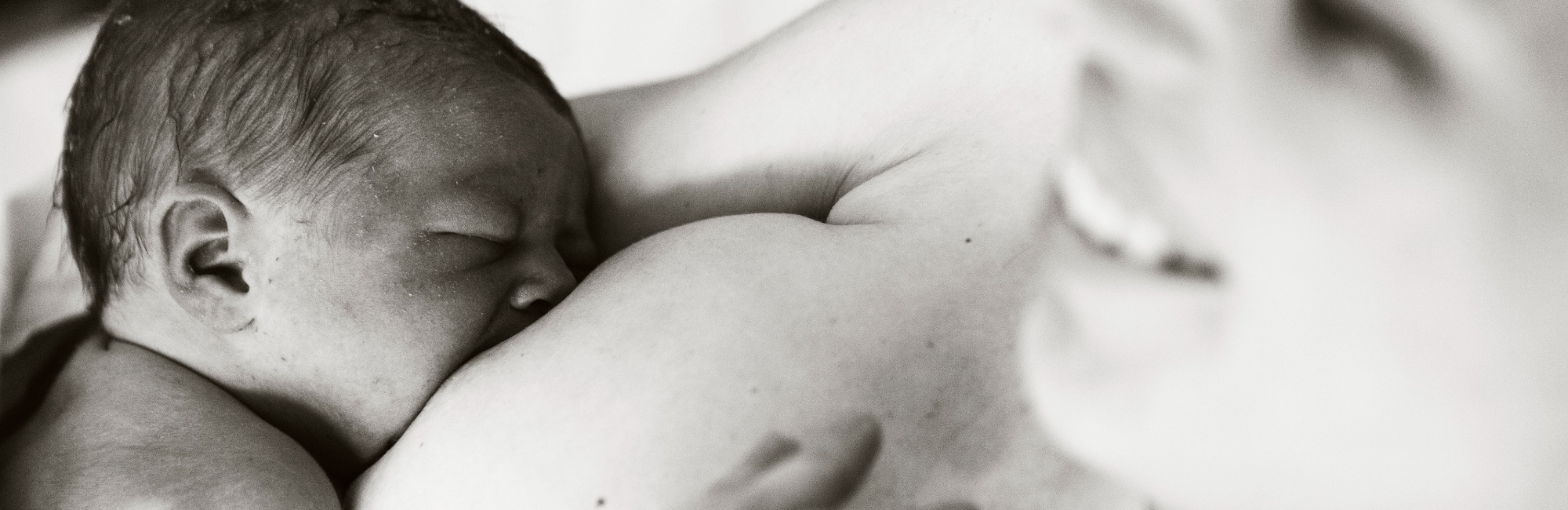
What are normal infant weight trajectories in the first days after birth?
Almost all babies lose weight afer birth. Most tolerate low intake and weight loss in the first few days, but some develop complications of weight loss such as hyperbilirubinemia and dehydration, which are the two most common causes of neonatal morbidity.
Excess weight loss of equal to or more than 10% has increased risk of both hyperbilirubinemia and hypernatraemic dehydration.
Failure to thrive assessment in the infant needs to exclude urinary tract infection. You can find a link to relevant investigations here.
There is an excellent detailed discussion of the evidence concerning infant weight loss in the first days of life by the National Institute of Health's National Library of Medicine, USA, here. The Committee recommends
-
The nadir of infant weight loss post-birth occurs at three or four days post-birth, after which infants should begin to gain
-
Close monitoring of the term infant once 10% of birth weight has been lost
-
Birth weight should be regained by three weeks post-birth.
Close monitoring (but not necessarily formula supplementation) is required if an infant loses 10% of birth weight
Even in hot climates, healthy term infants have sufficient body water to meet their metabolic needs in the first few days after birth. Newborns lose weight because of physiologic diuresis of extracellular fluid, following transition from intrauterine to extrauterine life and the passage of meconium.
In Grossman et al's 2012 prospective cohort of 121 infants in a US Baby-Friendly designated hospital weighed daily for first week of life, with optimal support of infant feeding,
-
The mean weight loss of exclusively breastfed infants was 5%
-
19.8% of healthy breastfed infants lost more than 7% of their birthweight
-
No infant lost more than 10%
-
Mainly breastfed infants lost 5.5% on average, compared to 1.2 % in exclusively formula-fed infants
-
The type of delivery and fluids received during labor were not associated with weight loss.
Flaherman et al 2015 study gives rise to the Newborn Weight Loss Tool
You can find out about the Newborn Weight Loss Tool or NEWT here.
A study of 161,471 healthy breastfed infants born to racially diverse mothers equal to or greater than 36 weeks gestation in Northern California resulted in the creation of hour-specific nomograms for weight loss in exclusively breastfed newborns. Any infant who received any kind of supplemental feeding was excluded from this study. That is, it investigated exclusively breastfed infants only.
-
The data showed increased weight loss in those born by cearean section compared to by vaginal birth.
-
Almost 5% of vaginally born and > 10% of those born by caesarean section had lost equal to of > 10% of their birth weight by 48 hours after birth.
-
By 72 hours, >25% of infants born by caesarean section had lost equal to or greater than 10% of their birth weight.
-
10% or greater weight loss by 48 hours was common among both groups.
-
Weight gain typically begins at 48-72 hours of age.
The authors concluded that weight loss equal to or greater than 10% of birth weight is common and often occurs earlier in the postnatal course than previously documented.
Selected references
Flaherman VJ, Schaefer EW, Kuzniewicz MW. Early weight loss nomograms for exclusively breastfed newborns. Pediatrics. 2015;135:e16-e23.
Geddes DT, Perella S. Breastfeeding and human lactation. Nutrients. 2019;11:802.
Grossman X, Chaudhuri JH, L F-W, Merewood A. Neonatal weight loss at a US baby-friendly hospital. Journal of Academy of Nutrition and Dietetics. 2012;112(3):410-413.